Indian Meal Moth: What is it and How Do We Fight it?
You’ve opened your kitchen cabinets or
pantry, and dozens of small gray moths greeted you? Are there tiny worms
in your bags of flour and rice? You’re likely dealing with one of the
most common food pests in the world: the Indian meal moth. While the
moth itself is more of a nuisance than a direct harm to humans, it’s
still a significant problem because outbreaks of the Indian meal moth
are very difficult to eliminate, and it is considered a "persistent"
pest. So what exactly should you do if you’re facing this issue, and how
can you prevent the appearance of this moth? We’ve gathered all the
answers and important information in the detailed guide below
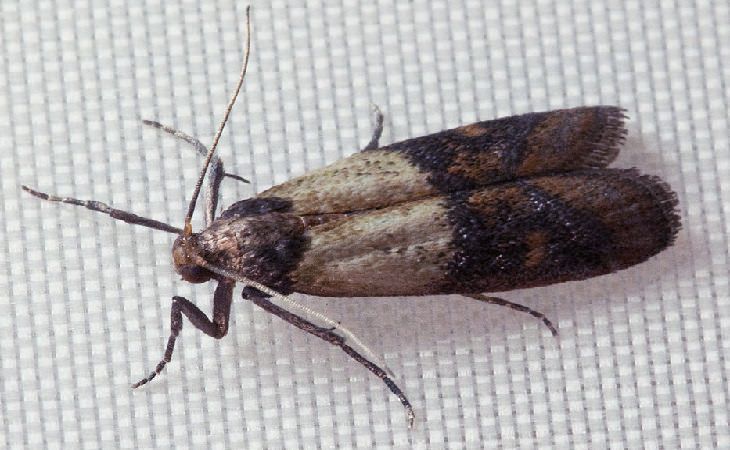
Meet the Enemy: What is the Indian Meal
Moth?
This small and pesky moth, also known as the pantry moth, is the most
common pest worldwide for dry food products such as grains, especially
wheat and rice kernels. But that’s not all it attacks… The Indian meal
moth feeds on a wide variety of plant-based products, including cereals,
bread, pasta, spices, dried fruits, nuts, and seeds. It’s also known to
feed on cocoa beans, coffee, cookies, and chocolate chips. The larvae
of the Indian meal moth are cream-white, about 12 mm long, and have a
dark brown head. They can squeeze through the tiniest holes and enter
food bags and plastic containers that aren’t tightly sealed.
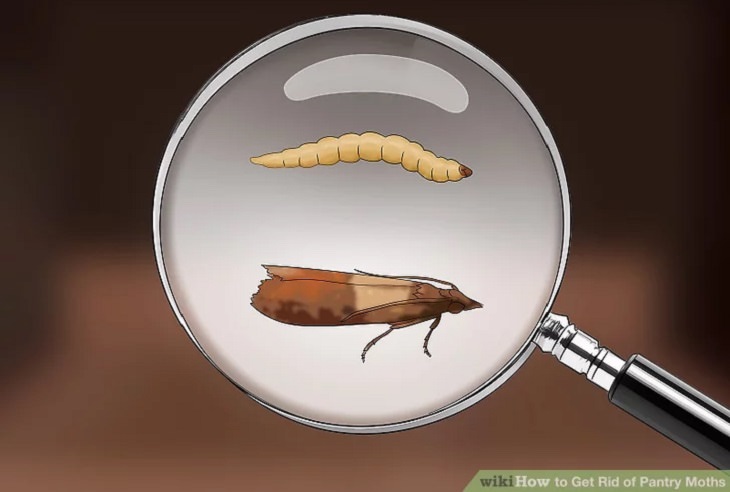
The larvae feed on the food for 2–41 weeks,
after which they turn into a pupa—usually outside the food source—from
which the adult moth emerges. The adult moth lives only 5–7 days, during
which its sole purpose is to reproduce and lay eggs throughout your
home—60 to 300 eggs per batch! The adult Indian meal moths are
relatively small; their length ranges from 8 to 10 mm. Most of them have
a grayish color with dark brown markings and rust- or copper-colored
spots on the lower parts of their wings.
Signs of an Indian Meal Moth Infestation
If your food storage areas are already full of adult Indian meal moths,
it’s obvious you’re dealing with an infestation. However, there are also
some signs that may alert you to the problem before it becomes severe.
Following these steps regularly can give you early warnings about this
unwanted guest, allowing you to address the issue and use the treatment
methods described later.
If you notice small accumulations of webbing in your kitchen
cabinets or pantry, there’s a high chance it’s not a shy spider but
larvae of the Indian meal moth. These webs are left behind by the larvae
wherever they go and are often found in corners and the deepest parts
of cabinets and pantries.
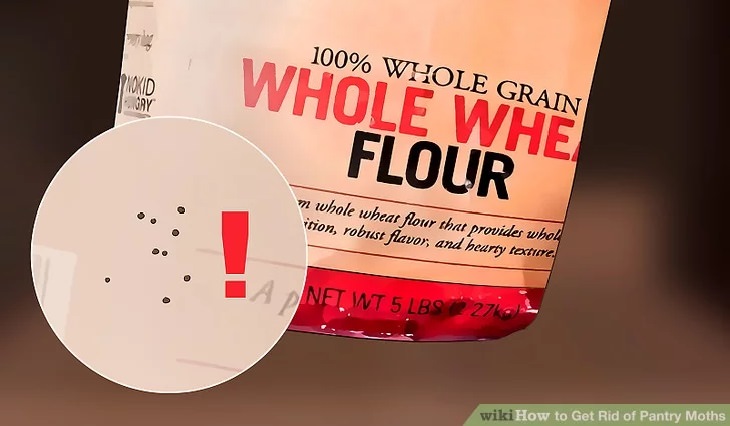
If you notice small holes in the pasta or flour packaging you’ve
just taken out of the cabinet, it likely means that Indian meal moth
larvae have found their way inside, or worse, have already spread
throughout your home. Almost any type of dry food can be vulnerable,
even if stored in thin plastic packaging.
How to Treat an Indian Meal Moth
Infestation
Remove all items from the area where you discovered the food sources
or habitats of the Indian meal moth. If you have shelf liners or
cabinet protectors, remove them as well.
Discard all infested food packages that show signs of larvae, pupae,
moths, or holes. Since Indian meal moth eggs are very hard to see, if
you’re unsure about a particular food package that doesn’t look infested
but isn’t guaranteed safe, freeze it for a week. Freezing kills the
moths, and afterward, you can sift the food to remove possible remains
of tiny dead eggs and transfer it to a new airtight container.
Vacuum the entire infested area with a
small nozzle—paying special attention to cracks, crevices, openings, and
corners. If possible, use a brush attachment or manually brush these
areas before continuing with the vacuum.
Dispose of the vacuum bag or empty the
vacuum cleaner into a trash bin, along with the infested food products
you’ve already discarded. Be sure to take these out of the house to an
outdoor trash bin as soon as possible, as larvae and moths might
otherwise find their way back into your kitchen.
Thoroughly clean the infested area using a dishcloth or sponge
dipped in warm water with dish soap. Don’t forget the undersides of
shelves or cabinets, door hinges, and all other mentioned areas.
Prepare a mixture of vinegar and warm water in a 1:1 ratio (e.g.,
one cup of each) and add a few drops of peppermint oil, whose scent the
Indian meal moth strongly dislikes. Lightly dampen a cloth with the
mixture and wipe down all cleaned surfaces.
Let the cleaned areas dry, and meanwhile, wash all the pots,
containers, or jars you had in the infested area using warm soapy water.
This step is crucial, as failing to clean these items thoroughly could
lead to reinfestation of the cleaned area.
Store unaffected food packages in plastic containers or other
airtight, durable containers. Alternatively, freeze them as explained
earlier. After about two weeks, check the food in these containers; if
there are no suspicious signs, you can remove and return them to your
regular storage method.
How to Prevent the Appearance of Indian
Meal Moths
To prevent the appearance or recurrence of Indian meal moths in your
home, follow these steps:
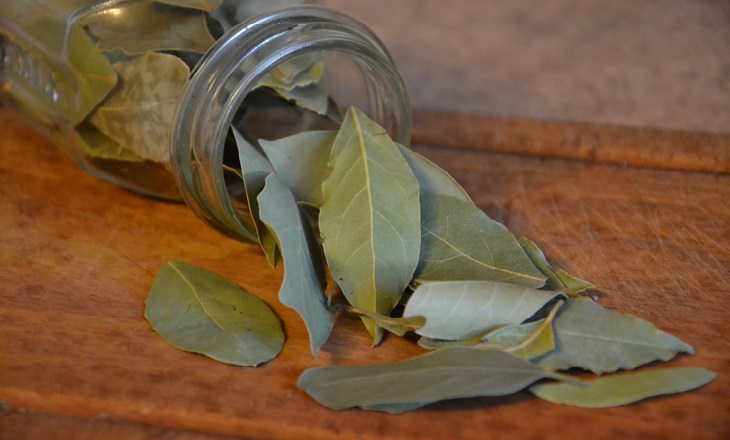
Scatter bay leaves in the areas you want to protect. You can even
place a bay leaf directly into a bag or container of food but remember
to remove it before use. While there is no scientific evidence for the
effectiveness of bay leaves in repelling moths, it’s a "grandma’s tip"
that many recommend.
Carefully inspect the food products you
purchase at stores or receive in deliveries. Pay special attention to
flour of all types, rice, various grains, pasta, spices, and dry food
products in general.
Keep the areas where you store food clean. While you don’t need to
perform a deep clean as described earlier in the article every month,
it’s important to regularly clean up spills and collect crumbs.
If possible, reorganize your food storage to make as many items
visible as possible. Add shelves, hooks, steps, or pull-out trays to
storage areas. This arrangement will make it easier to spot early signs
of Indian meal moths and avoid situations where dry food products are
stored too long simply because you forgot about them.