10 Surprising Uses For Shaving Foam At Your Home
Most people wouldn’t think twice about reaching for shaving foam when cleaning their home. It’s usually parked on the bathroom shelf for one job only. But this everyday product turns out to be surprisingly useful far beyond the sink. With the right approach, it can handle messes in the kitchen, bathroom, bedroom, and even the living room.
If you’ve never used shaving foam to clean
anything other than your face, this guide might change your routine.
It’s affordable, easy to use, and works on more surfaces than you’d
expect. Here are some of the most unexpected uses that actually get
results.
1. Stainless Steel Appliances
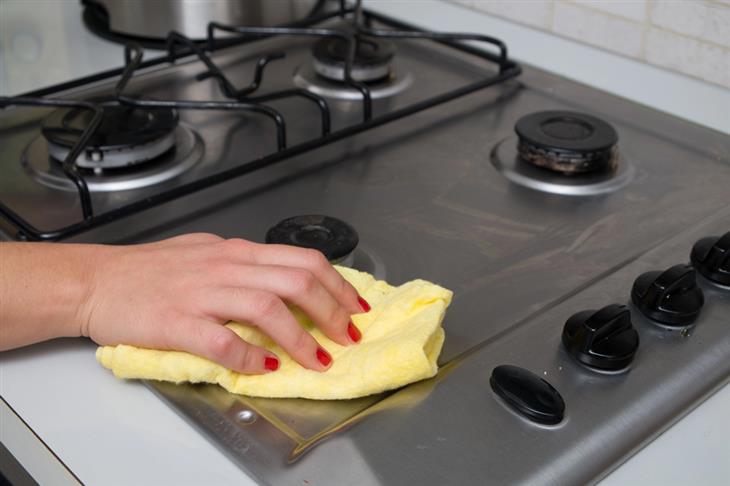
Stainless steel may look sleek, but it
quickly picks up fingerprints, streaks, and smudges. That polished
finish can turn messy fast, especially in a busy kitchen. An unexpected
solution? Shaving cream. It works surprisingly well at removing marks
and creating a protective barrier.
Start by dampening a microfiber cloth, then add a small amount of
shaving cream. Rub it into the steel surface using small circular
motions. After a few minutes, take a dry microfiber cloth and wipe it
clean. You’ll notice the surface looks brighter and stays clean longer,
with fewer smudges reappearing.
2. Painted Kitchen Cabinets
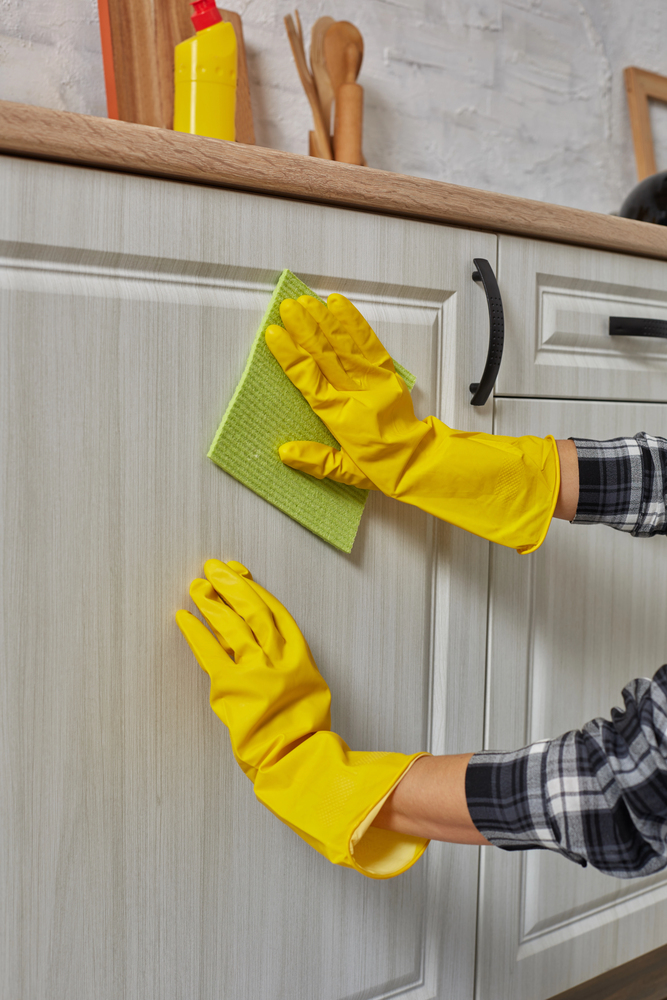
Painted cabinets can trap grease, dust, and
food stains over time, especially around handles and high-traffic
areas. While harsh cleaners may damage the finish, shaving cream offers a
milder alternative. Add a bit to a wet microfiber cloth, and gently
scrub any problem spots. It's especially useful for cutting through
grease without stripping paint. Focus on areas where fingers usually
land—corners, edges, and near hardware. Once done, wipe it down with a
clean cloth to avoid any leftover residue. Your cabinets will look
refreshed without any risk to the paintwork.
3. Removing Carpet Stains
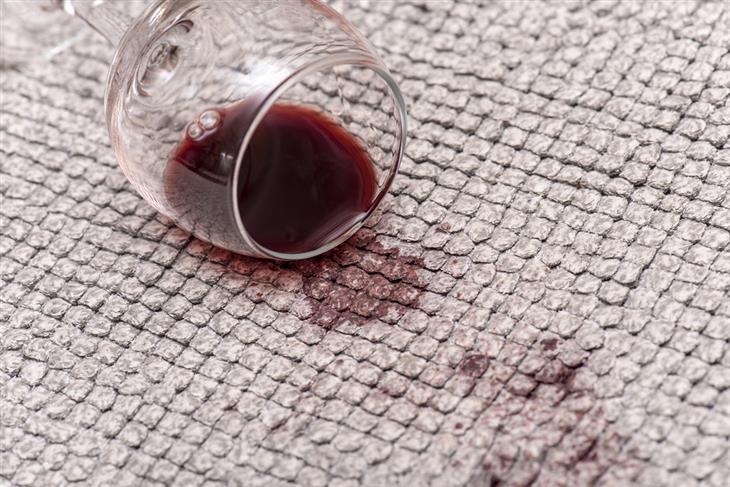
Carpets take a beating—mud, wine, and even
nail polish can leave stains that don’t budge easily. That’s where
shaving cream comes in handy. Apply a layer of foam directly onto the
stain and let it sit for about 10 minutes. Then blot it up using a damp
cloth. If needed, repeat the process. It works well on both fresh and
set-in stains and is gentle on most fabric types. It’s a quick way to
rescue your carpet without having to reach for expensive cleaners or
schedule a deep-cleaning session.
4. Toilet Bowl Rings
Those pink or orange stains that show up in
your toilet bowl are usually caused by mineral deposits in the water.
While they’re not necessarily harmful, they make the toilet look dirty.
Instead of bleach, grab your can of shaving cream. Apply it directly to
your toilet brush, and scrub around the water line. The cream cuts
through the buildup and makes the surface look clean again. It’s a
gentler option that’s also less harsh on your plumbing and nose than
chemical-based toilet cleaners.
5. Hard Water Stains
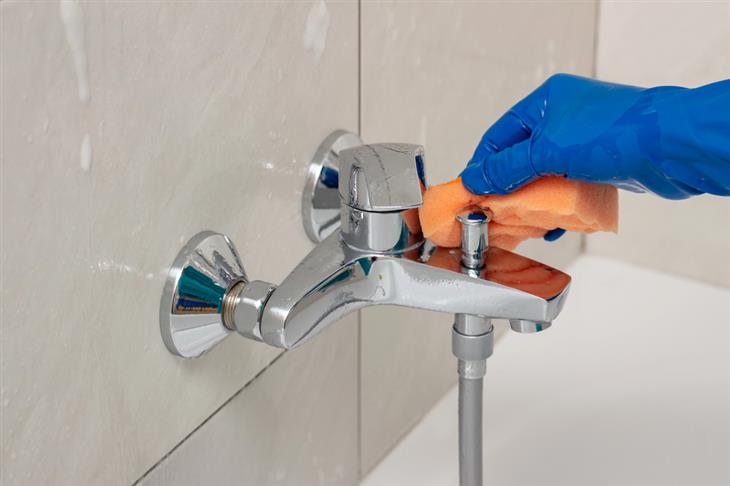
Hard water leaves behind cloudy spots and
chalky residue on faucets, shower doors, and sinks. You don’t need a
custom cleaner to fix it. A small amount of shaving cream can do the
trick. Spread a thin layer onto the stained surface, let it sit for a
minute or two, and rub it in with a microfiber cloth. Rinse or wipe
clean, and you’ll see a noticeable difference. This method is especially
helpful for chrome surfaces, where streaks often show up.
6. Bathroom Mirrors
Mirror fog after a shower is annoying, and
glass cleaner can sometimes leave streaks behind. Shaving cream can
handle both problems. Apply a thin layer to your bathroom mirror and
then wipe it away using a dry microfiber cloth. It clears grime,
polishes the glass, and leaves behind a slight barrier that helps keep
the mirror from fogging up. This trick works well before long showers or
as part of a regular cleaning routine. Plus, it’s faster and less messy
than sprays that drip down the glass.
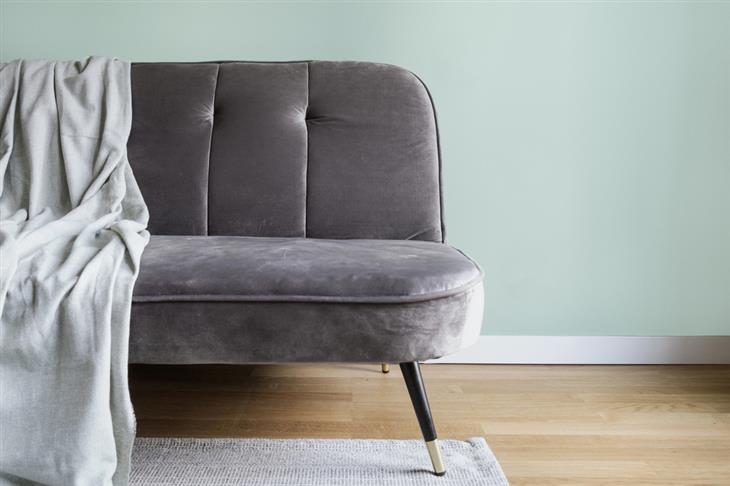
7. Suede furniture stains
Cleaning suede can be tricky, especially
with fabric like microsuede that stains easily. For light to moderate
stains, try applying a layer of shaving foam directly onto the affected
area. Let it sit for 20 minutes so it can break down the grime. Then
take a clean, damp cloth and gently dab at the foam, careful not to
oversaturate the fabric.
Repeat this step if needed. Let the spot
air dry fully before sitting or placing anything on it. Make sure to use
foam shaving cream, not gel, as gels can damage the fabric or leave
permanent discoloration.
8. Eliminate Lingering Toilet Odors
Shaving foam isn’t just good at lifting
stains—it can help neutralize odors too. To freshen up your toilet,
squirt some shaving foam directly into the bowl and give it a quick
scrub. For added deodorizing, apply a generous layer to the floor around
the base of the toilet. Let it sit for a few hours before mopping it
up. This can absorb lingering smells and make the entire bathroom feel
cleaner. It’s a great hack for deep cleaning days or in homes with
multiple people using the same bathroom regularly.
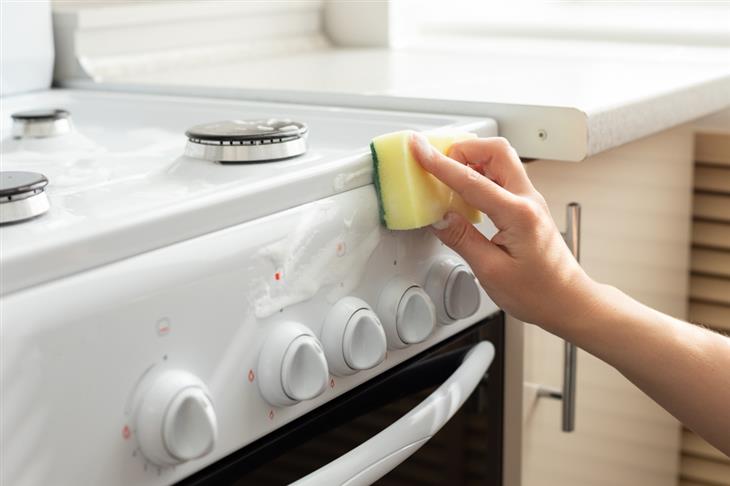
9. Clean a Grimy Oven
Greasy ovens can take forever to clean,
especially when burnt-on food builds up over time. Instead of using
harsh chemicals, coat the inside of the oven—including the door, walls,
and bottom—with a layer of shaving foam. Leave it on for at least 30
minutes so it has time to break down the grime. Then use a damp cloth to
wipe away the foam and residue. You might need a second round for
tougher spots, but it’s still far easier than most commercial oven
cleaners and much less harsh on your nose.
10. Freshen Up a Mattress
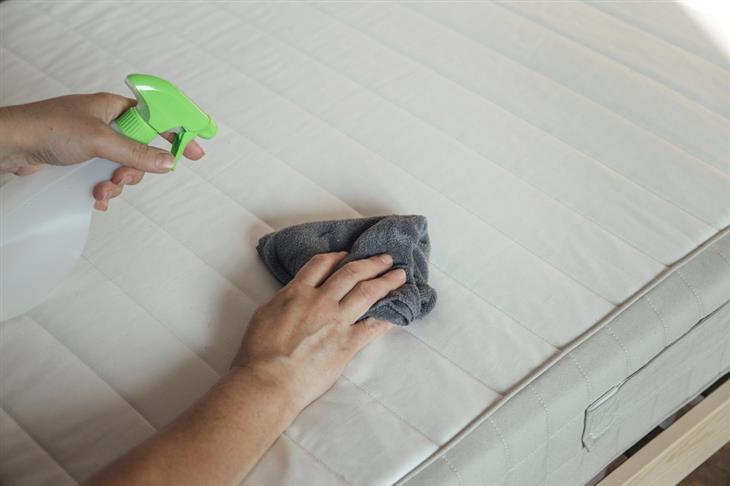
Mattresses can hold onto stains and odors
longer than you might think, especially if you spill drinks or have pets
or kids. To clean a spot, spray shaving foam directly onto the stained
area. Let it sit for 15 minutes to work its way in. Use a damp cloth to
scrub and remove the foam, then follow with a mixture of equal parts
water and white vinegar to help lift any remaining residue. Let it air
dry completely. This method can help freshen the fabric and remove light
stains without soaking your mattress.