Health Benefits and Deficits of Popular Spreads
Ever wonder which spread is the healthiest,
and what the risks may be of long-term use? This article will compare
the health benefits and deficits of several popular spreads in the
American market, including an organic option and an international
favorite. We evaluate peanut butter (e.g., Jif or Skippy), Nutella
(chocolate-hazelnut spread), almond butter (natural/organic, e.g.,
Justin’s Almond Butter), cream cheese spread, a margarine-based spread
(e.g., I Can’t Believe It’s Not Butter!), and Vegemite (a savory
Australian spread). Key criteria include nutritional value, potential
allergens, effects of regular use, long-term health risks, and diet
suitability (vegan, keto, gluten-free). A summary table is provided
after the detailed comparisons for quick reference.


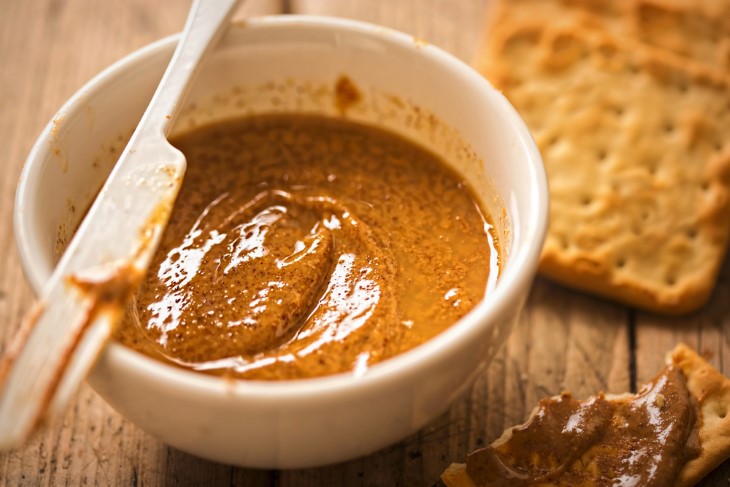
Peanut Butter
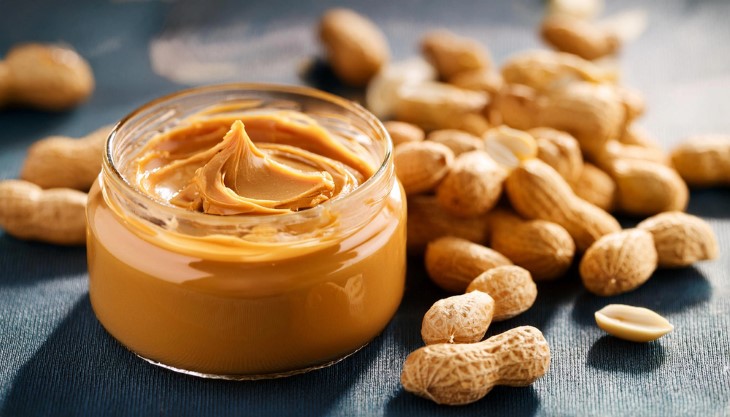
Nutritional Profile: Peanut butter is nutrient-dense. Two tablespoons
(~32 g) of a typical commercial peanut butter provide about 190
calories, 16 g fat (mostly healthy unsaturated fats, with ~3 g
saturated), 7 g protein, 2 g fiber, and around 3 g sugar. It also
supplies vitamins and minerals—a 100 g portion is rich in vitamin E (60%
DV), magnesium (37% DV), and B-vitamins like niacin (84% DV). Peanut
butter contains antioxidants such as p-coumaric acid and resveratrol,
which may contribute to chronic disease prevention. However, because
it’s calorie-dense, calorie for calorie, peanut butter isn’t that
nutritious compared with low-calorie plant foods like vegetables.
Potential Allergens: As the name suggests,
peanut butter contains peanuts, one of the most common food allergens.
Peanut allergy can trigger severe reactions (anaphylaxis) in some
individuals, meaning those with peanut allergies must avoid peanut
butter entirely. Most peanut butters are naturally gluten-free (peanuts
are legumes, not grains) and vegan (peanuts are plant-based). However,
some brands add minor ingredients (e.g., honey in certain specialty
peanut butters), so vegans should check labels. Peanut butter is not
permitted on strict paleo diets (peanuts are legumes), but it is
generally compatible with keto or low-carb diets in moderation (≈4–5 g
net carbs per 2 Tbsp, which can fit into daily carb limits).
Health Benefits: For those without allergies, peanut butter can be a
healthy addition to the diet. It provides plant-based protein and
heart-healthy monounsaturated fats that help with satiety and can
support cardiovascular health when used in place of saturated fats.
Peanut butter also contains fiber and a range of micronutrients (vitamin
E, magnesium, potassium, etc.) that are beneficial for overall health.
Regular nut consumption (including peanuts) has been associated with a
lower risk of type 2 diabetes and heart disease in observational
studies. In moderate amounts, peanut butter can be part of a
weight-management diet because it is filling and may prevent overeating
other foods.
Health Deficits & Risks: The main concerns with peanut butter come
from its caloric density and, for some brands, added ingredients. Peanut
butter is very energy-dense, so eating large quantities regularly can
lead to excess calorie intake and weight gain if not moderated. Many
commercial brands (e.g., conventional Jif, Skippy) include added sugar
and hydrogenated oils. Added sugar (often ~3 g per serving) reduces
nutritional quality and can contribute to obesity and metabolic issues
if consumed in excess. Partially hydrogenated oils (trans fats) have
largely been removed from U.S. peanut butters, but some still use fully
hydrogenated or palm oils for texture. These added fats don’t contain
trans fat but do contribute additional saturated fat. It’s generally
recommended to choose natural peanut butter made from only peanuts (and
salt) to avoid added sugar and unhealthy fats. Another long-term
consideration is aflatoxins—natural molds that can contaminate peanuts.
Unprocessed peanut products may contain aflatoxin, a potential
carcinogen, but commercial peanut butters in the U.S. are strictly
monitored and processed to keep aflatoxin levels safe, making the risk
low for major brands with no outbreaks linked to peanut butter reported
in the U.S.
Daily Use and Long-Term: Eating peanut
butter daily in moderation is generally considered healthy. Nutrition
experts note that moderate peanut butter consumption is unlikely to have
any major negative effects, provided your overall diet is balanced. In
fact, swapping peanut butter for animal fats or sugary spreads can be
beneficial. Over the long term, the high unsaturated fat content can
help maintain healthy cholesterol levels when replacing butter or
cream-based spreads. The main long-term risk is overconsumption—because
it’s so tasty and calorie-rich, it’s easy to eat more than a serving,
which over time could contribute to weight gain. Portion control is key.
Also, individuals with peanut allergies clearly cannot include this
spread at all and must seek alternatives like almond or sunflower seed
butter.
Strawberry Jam
Nutritional Profile: Strawberry jam is a sweet fruit spread made from
strawberries, sugar, and pectin. A typical serving size of 1 tablespoon
(20g) contains about 50 calories, 0g fat, 13g carbohydrates (primarily
sugar), and 0g protein. It offers minimal fiber (~0.2g) and negligible
micronutrients unless fortified. Most strawberry jams are high in added
sugars, which help preserve the fruit and enhance flavor.
Potential Allergens: Traditional strawberry jam does not contain common
allergens like nuts, dairy, or gluten, making it broadly suitable for
those with food sensitivities. However, cross-contamination in
processing facilities is possible, so individuals with severe allergies
should check product labels. It is typically vegan and gluten-free.
Health Benefits: Strawberry jam provides a
small amount of antioxidants naturally found in strawberries, such as
vitamin C and flavonoids, though much of this nutritional value is
diminished during cooking. The main benefit is its palatability, which
may encourage consumption of nutrient-rich whole grain breads or other
healthy pairings. It can serve as a quick source of energy due to its
sugar content.
Health Deficits & Risks: The primary health concern is its high
sugar content. A tablespoon may contain 10–12 grams of sugar, which can
contribute significantly to daily added sugar intake if consumed in
large quantities. Diets high in added sugars are linked to obesity,
insulin resistance, type 2 diabetes, and dental caries. Some jams also
contain high-fructose corn syrup or artificial preservatives, which may
pose additional health risks if consumed frequently.
Daily Use and Long-Term: In small amounts,
strawberry jam can be part of a balanced diet. It is best enjoyed in
moderation, ideally on whole grain or high-fiber foods to mitigate its
glycemic impact. Over the long term, habitual overconsumption may lead
to excess calorie and sugar intake, increasing the risk for metabolic
health issues. Choosing low-sugar or fruit-only spreads may provide a
healthier alternative with similar taste.
Nutella (Chocolate-Hazelnut Spread)
Nutritional Profile: Nutella is a sweet chocolate and hazelnut spread
that is very high in sugar. A standard serving of 2 Tbsp (37 g) contains
about 200 calories, 12 g fat (of which ~4 g is saturated fat from palm
oil), only 2 g protein, and 21 g of sugar. It provides minimal fiber (~1
g) and small amounts of calcium and iron (~4% DV each). Nutella’s
primary ingredients are sugar and palm oil, followed by hazelnuts,
cocoa, skim milk powder, and flavorings. In fact, sugar is the first
ingredient—it makes up about 57% of Nutella by weight (roughly the
equivalent of 5 teaspoons of sugar per 2 Tbsp serving). Hazelnuts (about
13% of the spread) do contribute some vitamins, healthy fats, and
flavor, but the quantity is relatively low.
Potential Allergens: Nutella contains several major allergens: tree nuts
(hazelnuts) and milk (from skim milk powder). It also includes soy
lecithin as an emulsifier. This means Nutella is unsafe for people with
hazelnut or tree-nut allergies and for those with milk/dairy allergies
or lactose intolerance. It is not vegan due to the dairy content.
Nutella’s ingredients are naturally gluten-free (no wheat, barley, or
rye), so it is suitable for a gluten-free diet. Always double-check
labels, but Ferrero—Nutella’s producer—states that Nutella is
gluten-free. In terms of diet suitability, Nutella is not compatible
with keto or low-carb diets at all—the high sugar content (21 g sugar,
~22 g total carbs per serving) is far above what a keto diet allows.
Health Benefits: Nutella is more of a treat
than a health food. It does not offer significant health benefits
beyond a small amount of calcium and iron, and the pleasure of its
taste. Hazelnuts and cocoa themselves are nutritious—hazelnuts contain
vitamin E and healthy fats, and cocoa has antioxidants—but in Nutella,
their positive impact is largely offset by the overwhelming sugar and
fat. There is a minor benefit that Nutella has zero trans fat (it uses
palm oil instead of partially hydrogenated oil) and contains no
cholesterol (being plant-based apart from milk). However, these factors
don’t make it “healthy,” just slightly less harmful than if it contained
trans fats. In some countries, Nutella is fortified with a bit of
vitamins or marketed focusing on its hazelnuts and milk, but
nutritionally, those contributions are negligible in context.
Health Deficits & Risks: The high sugar content is the biggest
health deficit. With 21 grams of sugar per serving, Nutella can cause
blood sugar spikes and contributes to excessive added sugar intake if
eaten regularly. Diets high in added sugars are linked to weight gain,
tooth decay, and an increased risk of type 2 diabetes and heart disease.
Nutella is also high in saturated fat from palm oil (about 3.5–4 g
saturated per serving). Consuming a lot of saturated fat can raise LDL
(bad) cholesterol levels, potentially increasing heart disease risk over
time. Nutella’s overall nutritional profile is poor—it is high in
calories, sugar, and fat and offers little protein or fiber to mitigate
these. Regularly using Nutella in place of more nutrient-dense spreads
(like nut butters) could lead to nutritional deficiencies (missing out
on protein, fiber, healthy fats) and excessive calorie intake. There are
also no significant micronutrients (the small calcium/iron content
doesn’t justify the sugar load). Health experts often warn that Nutella
should not be considered a healthy ingredient for breakfast or daily
consumption. Another concern is that Nutella’s delicious taste makes it
easy to overeat, especially for children, which can crowd out healthier
foods in the diet.
Daily Use and Long-Term: Regular daily use of Nutella is not recommended
from a health perspective. Spreading 2 tablespoons on toast daily adds a
large amount of sugar and calories to one’s diet without providing
satiety (very little protein or fiber). Over time, this habit could
contribute to weight gain, poorer blood sugar control, and an increased
risk of metabolic syndrome. In children, a Nutella-laden breakfast can
lead to an energy spike followed by a crash, and if it becomes a habit,
it may instill preferences for very sweet foods. Long-term, diets high
in sugary, processed foods like Nutella may elevate risks of type 2
diabetes, heart disease, and fatty liver disease. If you enjoy Nutella,
it’s best seen as an occasional dessert spread rather than a daily
breakfast staple. Using a thin layer or pairing it with healthier foods
(like fruit) might mitigate some downsides, but moderation is key. For a
chocolate-nut spread with better nutrition, one could opt for versions
with less sugar and more nuts (some brands or homemade recipes use more
hazelnut and maybe no palm oil). Ultimately, Nutella’s place in a
healthy diet is limited—delicious, yes, but best enjoyed sparingly.
Almond Butter (Natural/Organic, e.g., Justin’s)
Nutritional Profile: Almond butter is quite similar to peanut butter in
macronutrient content, but with some nutritional advantages. Two
tablespoons (~32 g) of natural almond butter provide roughly 190–200
calories, 17–18 g fat (mostly heart-healthy unsaturated fats, with only
~1–1.5 g saturated fat), 6–7 g protein, 3 g fiber, and only 1–2 g of
natural sugar (with no added sugar in unsweetened varieties). Almond
butter is notable for its micronutrients: it contains higher levels of
vitamin E, magnesium, potassium, and calcium compared to peanut butter.
Dietitians note that almond butter has five times more calcium, over two
times more iron, and three times more vitamin E than peanut butter,
along with more magnesium, potassium, and copper. Almonds are
particularly rich in vitamin E (an antioxidant) and magnesium (important
for muscle and nerve function). Almond butter also has about double the
fiber of peanut butter, which can aid digestion and satiety.
Organic Aspect: Many almond butter
products, such as Justin’s Classic Almond Butter, use simple, organic
ingredients. Justin’s, for instance, contains just dry-roasted almonds
(and in some cases a bit of organic palm fruit oil for stability) with
no added sugar or salt. The use of organic almonds means fewer
pesticides, and a simple ingredient list means no artificial additives.
Justin’s Almond Butter (unsalted) has about 6 g protein and 3 g fiber
per 2 Tbsp and is made with sustainably sourced palm oil if included. In
general, choosing an organic or natural almond butter ensures you’re
avoiding the added sugars and hydrogenated oils found in some
conventional spreads.
Potential Allergens: Almond butter contains tree nuts (almonds), which
are a common allergen. It should be avoided by anyone with an almond or
general tree-nut allergy. It may be an alternative for those with peanut
allergies, as almonds are not legumes, but caution is needed: some
peanut-allergic individuals might also react to tree nuts, and
cross-contamination in facilities is possible. Pure almond butter is
naturally gluten-free and typically vegan (just ground almonds). It fits
into many diets: it’s great for vegan and vegetarian diets as a protein
source and can be acceptable for keto or low-carb diets (similar to
peanut butter, ~4 g net carbs per 2 Tbsp, so moderate portions are
fine). Almond butter is also generally considered paleo-friendly (unlike
peanut butter) because almonds are true nuts, though some strict paleo
dieters might object to the added palm oil in certain brands. Always
check labels if you require a product free from certain additives (some
flavored almond butters might add sugar or honey, which would affect
vegan/keto status).
Health Benefits: Almond butter is often considered slightly more
nutritious than peanut butter in terms of vitamins, minerals, and fiber.
The high content of vitamin E in almonds supports skin health and
immune function, and as an antioxidant, it helps combat oxidative
stress. The extra fiber in almond butter aids in fullness and
cholesterol management (fiber can help lower LDL cholesterol). Almonds
also provide monounsaturated fats, known to be beneficial for heart
health—consuming almonds or almond butter regularly has been linked to
improved cholesterol ratios (lower LDL, higher HDL) and reduced
oxidation of LDL, which is a factor in heart disease. In fact, replacing
a high-saturated-fat food (like butter) with almond butter can help
improve one’s lipid profile. Almond butter also contains phytonutrients
and antioxidants (almond skins have flavonoids that work with vitamin E
to enhance antioxidant activity). For those looking to manage blood
sugar, almond butter is low in carbs and high in healthy fats and
protein, so it has a minimal impact on blood glucose when eaten on its
own. It also provides arginine (an amino acid), which may support
vascular health. Overall, almond butter shares many of the plant-based
benefits of peanut butter—high protein and good fats for satiety and
muscle maintenance—but with a richer micronutrient profile (more calcium
for bones, more magnesium for metabolic health, etc.).
Health Deficits & Risks: There are very few deficits to pure almond
butter aside from its high calorie density. Like other nut butters, it
is easy to overeat; two tablespoons contain ~200 calories, so heavy
daily use can contribute to a caloric surplus and weight gain if not
accounted for. Another consideration is that almond butter tends to be
more expensive than peanut butter, which might lead some to opt for
sweetened or diluted products to save cost—but those might add sugars or
fillers. As with any high-fat food, rancidity can be an issue if stored
improperly (the healthy fats can oxidize over time), so keeping it in a
cool place and using it within a reasonable period is advised. From a
long-term perspective, almond butter’s fat is mostly unsaturated, so
it’s generally heart-healthy. However, if someone is replacing all meat
with huge amounts of almond butter to get protein, they might fall short
on certain amino acids (almond is not a complete protein). This is a
minor issue since most diets have varied protein sources.
In terms of allergens, almond butter is obviously unsuitable for those
with nut allergies—for them, it poses the same serious risk as peanut
butter would to a peanut-allergic person. Lastly, while rare, almonds
can contain trace amounts of naturally occurring cyanogenic compounds
(like amygdalin)—not a health issue unless consuming extreme quantities
of raw almonds; commercially roasted almond butter is safe. There are no
known specific long-term health risks unique to almond butter beyond
what applies to nuts generally (indeed, long-term intake of almonds is
associated with benefits like reduced heart disease risk).
Daily Use and Long-Term: Incorporating almond butter daily can be
healthy, especially if it replaces less nutritious foods. Many health
professionals recommend almond butter as a daily snack ingredient for
its nutrient profile. The fiber and protein can support weight
management by keeping you full. Long-term, diets that include nuts and
nut butters like almond butter have been linked to lower rates of heart
disease and longer lifespan in epidemiological studies. The healthy fats
in almond butter can improve insulin sensitivity and reduce
inflammation compared to diets high in refined carbs. There is also
evidence that regular almond consumption can modestly lower blood
pressure and abdominal fat when part of a calorie-controlled diet. As
always, moderation is important—a couple of tablespoons a day can be
great, but polishing off a jar every two days is too much. If weight
control is a concern, measuring out a portion rather than eating
straight from the jar can help prevent accidental overconsumption
(almond butter is delicious!). Also, choosing an organic, no-sugar-added
almond butter (like the example Justin’s) maximizes benefits by
avoiding added sugars or hydrogenated fats. In summary, almond butter is
one of the most nutritious spreads available, and regular consumption
in reasonable portions is more likely to help than hurt long-term health.
Cream Cheese Spread

Nutritional Profile: Cream cheese spread is a dairy-based spread high in
fat and relatively low in protein. A typical serving of regular cream
cheese is 2 Tbsp (about 28 g), which provides ~100 calories, 9–10 g of
fat, 5–6 g of saturated fat, ~2 g of protein, ~2 g of carbohydrate
(mostly lactose, with ~1 g sugar), and minimal fiber. Unlike aged
cheeses, cream cheese is not a significant source of calcium—2 Tbsp
might give only ~2–4% of the daily value for calcium. However, it is a
good source of vitamin A: one ounce (~28 g, roughly 2 Tbsp) provides
about 10% of the DV for vitamin A. It also contains small amounts of
riboflavin (vitamin B2) and vitamin B12. Commercial “cream cheese
spread” (the tub variety) often includes stabilizers like guar gum and
may be whipped with air, but nutritionally it’s similar to block cream
cheese. Whipped cream cheese has slightly fewer calories per volume (due
to air) and often less fat if measured by volume.
Potential Allergens: Cream cheese is made
from milk and cream, so the allergen of concern is dairy (milk). It
contains lactose (though in lower amounts than an equivalent amount of
milk) and milk proteins, so those with lactose intolerance or a milk
protein allergy should avoid it. The lactose content, while not zero, is
under 2 g per serving, which many lactose-intolerant individuals can
tolerate in small amounts. However, severe cases may still experience
symptoms. Cream cheese is naturally gluten-free (it’s just dairy plus
salt and cultures in most cases). It is not vegan (being derived from
animal milk). For diets: it’s suitable for keto or low-carb diets
because it is high-fat and very low-carb; in fact, cream cheese is
commonly used in keto recipes to add fat and creaminess with minimal
carbs. It is not suitable for vegan or paleo diets (paleo excludes most
dairy). There are vegan cream cheese alternatives made from nuts or soy,
but in this context, we’re discussing the standard dairy version.
Health Benefits: Cream cheese does have a few positive attributes. It is
a great source of vitamin A (as retinol), which supports vision, immune
function, and skin integrity. Getting some vitamin A from dairy fat can
help complement the provitamin A (beta-carotene) one might get from
vegetables. It supplies some antioxidants: cream cheese contains small
amounts of carotenoids like lutein and zeaxanthin (from the milk fat),
which are beneficial for eye health. It may have probiotic effects if
the cream cheese is made with live cultures and not subsequently
heat-treated. Some cream cheese (and similar spreads like Neufchâtel)
retain live bacteria from the fermentation of cream. Probiotic strains
(Lactococcus, Lactobacillus) in cream cheese could contribute to gut
health or immune support—though the levels are not as high as in yogurt,
and one should look for labels indicating live cultures.
Cream cheese is lower in lactose than milk, so many people with lactose
intolerance can handle small amounts of cream cheese without issue,
making it a possible way to enjoy dairy for some who cannot tolerate
fresh milk or ice cream. It’s also worth noting that cream cheese is
very low in carbs, so it won’t spike blood sugar and can fit into
low-carb meal plans. The creamy texture and mild taste can make
nutrient-dense foods more palatable (for example, spreading a bit on
celery or using it in a roll-up with smoked salmon adds fats that can
help absorption of fat-soluble vitamins from veggies).
Health Deficits & Risks: The biggest concern with cream cheese is
its high content of saturated fat. About 60% of the fat in cream cheese
is saturated. Each 2 Tbsp serving has ~6 g saturated fat, which is about
30% of the recommended daily limit for an average adult. Diets high in
saturated fat can raise LDL cholesterol, which in turn may increase the
risk of heart disease and stroke. Regularly consuming large amounts of
cream cheese (e.g., thick layers on bagels every morning) could
contribute to elevated cholesterol levels over time, especially if the
overall diet is not balanced with unsaturated fats. Cream cheese also
provides dietary cholesterol (~30 mg per serving), though current
research emphasizes saturated fat as a bigger concern than cholesterol
itself for blood lipid impacts. Another deficit is that cream cheese is
low in protein for a dairy product—less than 2 g per serving. Unlike
Greek yogurt or hard cheese, it won’t contribute much to muscle
maintenance or satiety. If someone uses cream cheese in place of a
protein-rich breakfast option, they might feel less full and miss out on
protein. Additionally, cream cheese is fairly high in sodium for a
sweet-ish spread: ~100–150 mg per serving (5%–6% DV). That’s not
extremely high, but if you eat multiple servings or have other salty
foods, it adds up.
Those watching blood pressure might want to account for that sodium.
Also, because cream cheese is a fresh cheese with high moisture, it is
prone to spoilage—it must be kept refrigerated and used within ~2 weeks
of opening to avoid the risk of mold or bacterial growth. This is more
of a food safety note than a health “deficit,” but it’s important if one
tries to keep it for too long. Lastly, from a nutritional density
standpoint, cream cheese is often considered an “energy-dense,
nutrient-poor” choice—lots of calories from fat, not much else. For
instance, comparing the 100 calories in 2 Tbsp cream cheese: you get
little protein, calcium, or other vitamins (aside from A), whereas 100
calories of a nut butter or hummus would provide more protein, fiber,
and broader nutrition.
Daily Use and Long-Term: Using cream cheese daily in moderation can be
part of a normal diet, but portion size and overall diet context matter.
A thin spread of cream cheese (say 1 Tbsp) on a whole-grain piece of
toast can be reasonable, especially if combined with other protein or
fiber sources in the meal. However, a habit of eating large amounts
(e.g., a thick schmear on a bagel every morning) could, over time,
contribute to high saturated fat intake. Over years, this might elevate
the risk of cardiovascular issues if not counterbalanced by healthier
fats elsewhere in the diet. It’s best to treat cream cheese more like a
condiment than a primary food group.
The long-term risks associated with heavy cream cheese consumption are
mainly those tied to diets high in saturated fat: an increased risk of
heart disease and possibly higher risk of obesity if overall calories
aren’t kept in check. On the other hand, occasional or moderate use is
unlikely to be harmful for most healthy individuals. If one enjoys cream
cheese daily, opting for light cream cheese or whipped versions can
reduce the fat and calorie hit (light cream cheese might have ~5 g fat
and 3.5 g sat per serving, about half the regular). Some people mix
cream cheese with Greek yogurt to make a spread that stretches the
portion with more protein and less fat.
In summary, cream cheese is a tasty but calorie-rich spread with a few
nutrients; enjoy it in moderation and consider balancing it with fruits,
vegetables, or lean proteins. It’s not suitable for vegan diets, and
those with dairy issues should choose plant-based alternatives. For a
heart-healthier daily spread, nut butters or avocado would be better
choices, but if you love cream cheese, using a smaller amount or a
lower-fat version can help mitigate long-term risks. Bottom line: cream
cheese is a versatile dairy spread that’s a good source of vitamin A and
relatively low in lactose; however, it’s low in protein and high in fat
and calories, so it’s best to use it in moderation.
Margarine-Based Spread (e.g., I Can’t
Believe It’s Not Butter!)
Nutritional Profile: Margarine and vegetable oil spreads were created as
alternatives to butter. They are made from plant oils and water,
usually with emulsifiers and sometimes fortified vitamins. A classic
soft margarine spread like I Can’t Believe It’s Not Butter! (Original)
contains about 60 calories per 1 Tbsp (14 g), with 6 g of total fat and
about 2 g saturated fat. This is roughly half the saturated fat of an
equivalent amount of butter (butter has ~7 g sat fat per Tbsp). Per 2
Tbsp serving, a margarine spread would have ~120 calories, ~12 g fat, ~4
g saturated. Importantly, margarine spreads have 0 g trans fat in
modern formulations (older margarines contained trans fats, but these
have been eliminated in most countries). The fats in margarine are
primarily unsaturated (polyunsaturated and monounsaturated), coming from
oils like soybean, canola, or sunflower. For example, a tablespoon of a
soy-oil-based spread might contain ~3 g polyunsaturated and ~1.5 g
monounsaturated fats.
Many margarines are fortified with vitamins A and D to levels comparable
to butter (since butter naturally contains those from dairy). Some
special margarine spreads also contain added Omega-3 fatty acids
(ALA)—for instance, a serving of I Can’t Believe It’s Not Butter
contains about 375 mg of Omega-3 ALA. Margarine typically has a bit of
sodium (if salted) but less than salted butter; e.g., ~90 mg sodium per
Tbsp. Overall, nutritionally, margarine is lower in calories and
saturated fat than butter and free of cholesterol, but it is still a
concentrated source of fats.
Ingredients and Allergens: The primary
ingredients of a margarine spread are usually vegetable oils (e.g.,
soybean, canola, palm, or palm kernel for solidity), water, and often
soy lecithin or other emulsifiers, plus salt and natural or artificial
flavors. I Can’t Believe It’s Not Butter! Original, for example,
contains soybean oil, palm kernel and palm oil, water, salt, soy
lecithin, and flavorings. Potential allergens include soy (from soybean
oil and lecithin). Highly refined soybean oil is often not considered a
major allergen (the protein is removed), but people with severe soy
allergies might still exercise caution or choose soy-free spreads. Some
margarine brands also include a small amount of dairy (like a touch of
buttermilk or whey for flavor)—in our example brand, the original spread
is actually dairy-free, but it’s always good to check labels. There are
dedicated vegan margarines (in fact, many soft spreads are inherently
vegan since they’re made from plant oils and contain no milk). If the
product is labeled “vegan spread,” it contains no dairy.
Margarine is naturally gluten-free (no wheat/barley/rye in oils), so it
suits a gluten-free diet. It is obviously appropriate for those who
cannot have dairy (lactose intolerant or allergic), as long as no milk
derivatives are added—and many brands explicitly state “0% dairy” or
have a vegan certification for clarity. For diets: margarine is ideal
for vegan and vegetarian diets that want a butter-like experience. It is
also keto-friendly, as it contains essentially no carbs (pure fat and
water). In fact, margarine or coconut oil is often used by people on
ketogenic diets as a spread to add fats. One caveat: some keto/paleo
enthusiasts prefer butter or ghee over margarine because they favor
whole foods and because some margarine uses soybean oil, which is high
in Omega-6; but strictly speaking, margarine’s macros fit keto
perfectly.
Health Benefits: The primary health advantage of margarine spreads over
something like butter or cream-based spreads is the fat profile. Because
margarine is made from plant oils, it is much higher in unsaturated
fats and much lower in saturated fat. Replacing saturated fats with
unsaturated fats in the diet is known to help lower LDL (“bad”)
cholesterol levels. Most standard margarines have at least 50% less
saturated fat than butter, and swapping butter for a
polyunsaturated-rich spread can reduce heart risk factors. Soft
margarines also contain no dietary cholesterol since they’re plant-based
(whereas butter and cream cheese do contain cholesterol). Many
margarines contain Omega-6 polyunsaturates (like linoleic acid), which
can improve cholesterol when consumed in moderation instead of
saturates. Some are enriched with Omega-3 (ALA), which is beneficial for
heart health and inflammation (though ALA from plants is not as potent
as fish Omega-3s, it’s still positive). Certain margarine products are
fortified with plant sterols/stanols, which actively help reduce
cholesterol absorption—these are specialty “heart-health” spreads.
Margarine spreads also typically have fewer calories per serving than
butter because they often include water and air (especially the whipped
or light versions). For example, 1 Tbsp of regular butter equals 100
kcal, while 1 Tbsp of a light margarine might be 50–60 kcal. For someone
watching weight, this reduction can help if they use spreads regularly.
Additionally, margarine is free of lactose and dairy proteins, so it’s a
benefit for lactose-intolerant or dairy-allergic individuals who need a
safe alternative to butter. From a culinary perspective, soft tub
margarines are easily spreadable right from the fridge, which can help
encourage using a thin, controlled amount (butter is hard, and people
might put a larger chunk when softened—an arguable advantage). Some
newer margarine blends include healthy oils like olive oil or avocado
oil, adding minor benefits of those oils (antioxidants, etc.). In
summary, the big health benefit is that using margarine in place of
butter can lower saturated fat intake, which can help improve
cholesterol levels and reduce heart disease risk—a key reason margarine
became popular in heart-health recommendations.
Health Deficits & Risks: Historically, the biggest health issue with
margarine was trans fats. Older formulations (stick margarines and some
tubs pre-2000s) used partially hydrogenated oils, which introduced
trans fatty acids that are very harmful (raising LDL, lowering HDL,
increasing cardiovascular risk more than saturated fat). However,
today’s margarines are largely trans-fat-free. Assuming we are dealing
with modern trans-free margarine, the remaining concerns are processed
ingredients: margarine is a processed food with emulsifiers,
preservatives, and artificial flavor in some cases. Some people prefer
more “natural” options; while these additives are generally recognized
as safe, very purist eaters might avoid margarine for being highly
processed. Saturated fat content is another issue—although much lower
than butter, margarine isn’t entirely free of saturated fat. Many
contain palm or palm kernel oil to stay solid at room temperature. Our
example spread has 2 g sat fat per Tbsp; if someone uses a lot thinking
it’s completely healthy, they could still rack up saturates (e.g., 3
Tbsp would be ~6 g sat fat, similar to butter). So moderation is still
needed; it’s not a license to eat unlimited amounts.
Omega-6/inflammation balance is a concern—many margarine spreads are
high in Omega-6 polyunsaturated fats (like from soybean or sunflower
oil). If the diet is already very rich in Omega-6 and poor in Omega-3,
some worry this could promote inflammation.
However, this is a more nuanced point—the average person should focus on
reducing saturates and trans fats and getting some Omega-3s rather than
demonizing Omega-6. But it is true that a diet extremely heavy in
Omega-6 (and low in Omega-3) might have pro-inflammatory effects. Using a
variety of fats (and including Omega-3 sources) can mitigate this.
Added salt is another factor—some margarine spreads contain added salt
for flavor and are usually moderately salty. If someone slathers
margarine on everything, the sodium could add up and impact blood
pressure in sensitive individuals. Butter itself also has salt unless
you choose unsalted, so this isn’t unique to margarine—but it’s
something to note for overall intake. Flavoring and stability agents are
used—margarine achieves a butter-like flavor through additives, which
may include diacetyl or similar compounds.
In large industrial exposure, diacetyl was linked to lung issues for
factory workers (as in microwave popcorn factories), but at the consumer
level, the risk is negligible. Nonetheless, some prefer to avoid such
artificial flavor chemicals. Nutrient density is limited—aside from
fortified vitamins (A and D) and essential fatty acids, margarine
doesn’t offer protein, fiber, or significant micronutrients. It’s
basically a source of fat and calories, so over-reliance on it could
displace more nutrient-dense foods. But this is true for any isolated
fat source (butter, oils, etc.).
Daily Use and Long-Term: Using a margarine-based spread daily in place
of butter is generally considered a heart-healthier choice in the long
run. Long-term studies and dietary guidelines support the idea that
swapping butter for a vegetable oil spread can help reduce the risk of
cardiovascular disease, as it lowers intake of saturated fat and
eliminates trans fat. If one consumes moderate amounts daily (say a few
teaspoons on whole-grain toast or for cooking), the long-term effect
could be slightly improved cholesterol profiles and possibly a lower
incidence of heart attacks. That said, not all margarines are equal—it’s
important to choose soft, tub margarines with no trans fats (most
brands now fit this criterion). Avoid old-style stick margarines that
might still have hydrogenated oils.
The American Heart Association suggests soft margarines as a better
choice than butter for those watching heart health. Over decades, if
someone uses a heavy hand with any fat (margarine or not), they could
gain weight; so portion control matters for long-term weight management.
But because margarine is often lighter per volume and spreadable,
people may naturally use a bit less than they would of hard butter.
Another long-term consideration is sustainability and additives—some
individuals worry about palm oil in margarine (environmental impact,
saturated fat content) and opt for palm-free spreads. There are
palm-free margarines available that use fully hydrogenated oils or other
structuring fats without trans fat. From a dietary inclusion
perspective, margarine fits well into vegan diets consistently, which is
a long-term benefit for those populations (a source of vitamins A &
D if fortified, where they might otherwise miss D from dairy).
Summing up, long-term health tends to favor margarine over butter for
cardiovascular outcomes, as long as one chooses modern formulations.
It’s wise to check the nutrition label: pick a spread that is lowest in
saturated fat and with no hydrogenated oils. Also, consider one with
added Omega-3 or phytosterols for an extra health boost. If you use
margarine daily, ensure your overall diet includes sources of Omega-3
(flaxseed, walnuts, fish, or supplements) to balance the high Omega-6
intake. In conclusion, a margarine-based spread can be a suitable daily
choice for those needing a butter substitute—it’s vegan, can be part of a
heart-healthy diet, and is friendly for keto and gluten-free needs—but
choose a high-quality product and use moderate amounts, as it is still a
calorie-dense fat source. For heart health, remember that neither
butter nor margarine should be eaten in excess; but swapping butter for a
soft margarine can help lower “bad” cholesterol and reduce heart
disease risk.
Vegemite (Australian Yeast Spread)

Nutritional Profile: Vegemite is a thick, dark, savory spread made from
yeast extract and fortified with B-vitamins. It’s very different from
nut butters or cream cheese—it’s extremely low in calories and
macronutrients but very high in certain vitamins. A typical serving is
only 1 teaspoon (5 g), since the flavor is strong. Per teaspoon,
Vegemite has about 9–11 calories, 1.3 g protein, 0 g fat, less than 1 g
carbs (with less than 0.5 g sugar and ~0.3 g fiber). Where Vegemite
really stands out is its micronutrient content: that tiny 5 g serving
provides roughly 50% of the RDI for vitamin B1 (thiamine), 50% for
vitamin B9 (folate), 25% for vitamin B2 (riboflavin), and 25% for
vitamin B3 (niacin). Some varieties of Vegemite (like the Reduced Salt
version) are also fortified with vitamins B6 and B12, but the standard
Vegemite does not contain B12. It’s essentially a B-vitamin powerhouse.
Vegemite also contains a notable amount of sodium: one teaspoon has
about 173 mg of sodium (roughly 7–8% of the recommended daily limit). It
has negligible potassium, no vitamin C, etc., but it does have small
amounts of iron due to the yeast extract. Vegemite is often considered
more of a condiment than a source of calories or protein—people spread a
very thin layer on bread or crackers, usually with butter or margarine.
Ingredients and Allergens: Vegemite’s main
ingredient is brewer’s yeast extract, a byproduct of beer brewing. This
yeast extract inherently contains gluten because it’s derived from yeast
grown on malted barley and wheat. Thus, Vegemite is not
gluten-free—those with celiac disease or gluten sensitivity should avoid
standard Vegemite (there are some newer gluten-free yeast spreads in
the market, but the classic Vegemite contains barley). Aside from yeast,
Vegemite includes salt, vegetable extract (for flavor), and added B
vitamins (thiamine, riboflavin, niacin, folate). It does not contain any
fat, sugar, or animal products, meaning Vegemite is naturally vegan and
vegetarian (it’s basically fermented yeast and additives). It also
contains no dairy, egg, or soy. The primary allergen of concern is the
gluten from barley/wheat. Marmite, a similar British spread, is likewise
not gluten-free unless specified. Vegemite is fine for those with nut
allergies, lactose intolerance, etc. It is extremely salty, so people on
sodium-restricted diets need to consider that. Diet-wise: Vegemite is
suitable for vegan diets (in fact, it’s a beloved source of B12 for some
vegans if they get the version with B12 or its UK cousin Marmite, which
has B12). It’s also keto-friendly and low-carb—the carb content in a
teaspoon is under 1 gram, which is trivial. The only diet it squarely
conflicts with is gluten-free (unless a special gluten-free formulation
is used). Also, some ultra-specific diets like low-sodium diets or
low-purine diets (for gout) might limit Vegemite because yeast extract
is high in purines and obviously salt.
Health Benefits: Vegemite is often touted for its rich B-vitamin
content, which have numerous benefits. Thiamine (B1) is essential for
converting carbohydrates into energy and proper nerve function—adequate
B1 prevents beriberi and supports appetite and growth, and Vegemite
providing 50% of B1 RDI in a tiny serve is significant for people who
might be deficient. Folate (B9) is important for DNA synthesis and
especially crucial during pregnancy for preventing neural tube
defects—Vegemite’s high folate can help boost intake (in fact, during
World War II, Vegemite was promoted to children and pregnant women for
its folate and other B vitamins). Niacin (B3) and Riboflavin (B2)
support metabolism, skin health, and the nervous system—Vegemite
delivering ~1/4 of these vitamins’ daily needs can contribute to
preventing deficiencies like pellagra (niacin deficiency). Vegemite’s
vitamins are in a readily bioavailable form, and some doctors and
dietitians in Australia recommend Vegemite as a simple way to increase
B-vitamin intake, especially for those on vegetarian diets. Vegemite is
extremely low in calories, sugar-free, and fat-free, so it can add
flavor without adding much energy—useful for people trying to reduce
calorie intake or limit sugar (it’s a savory alternative to sweet
spreads). It contains natural glutamates (from the yeast extract), which
give an umami flavor that can enhance the palatability of foods and
might help reduce the need for excess salt if used as a seasoning
(though Vegemite itself is salty). Some research on B-vitamin
supplementation indicates benefits like improved energy levels, better
mood, and cognitive function in individuals who are deficient—Vegemite
has been humorously credited with Australians’ general vitality, but
there’s some truth that having these vitamins covered can make a
difference if one’s diet was lacking. For mental health and brain
benefits, there’s preliminary evidence that B-vitamin-rich spreads like
Vegemite might be linked to lower stress and anxiety levels, possibly
due to the role of B vitamins in the nervous system—one study found
people who regularly consumed yeast-based spreads had lower stress and
anxiety scores than those who didn’t, hypothesizing the B vitamins as a
cause. Vegemite has no preservatives or artificial colors/flavors; it’s a
simple product, which is a “clean label” advantage for those concerned
about food additives.
Conclusion
In summary, these popular spreads vary widely in their health profiles:
- Nut and Seed Butters (Peanut, Almond): Nutrient-dense and rich in
protein and healthy fats, they offer fiber, vitamins, and minerals
(almond butter especially boosts vitamin E, magnesium, calcium). Health
benefits include improved satiety and heart-health advantages when
replacing saturated fats. Main cautions are high calorie content and
potential allergens (peanuts/tree nuts). Pure versions are suitable for
vegan, keto (in moderation), and gluten-free diets. Overall, they are
one of the healthier choices, with almond butter being slightly more
nutrient-packed than peanut butter.
- Sweet Spreads (Nutella): Very palatable but high in sugar and
saturated fat, Nutella provides minimal nutritional benefits relative to
its sugar load—it’s essentially a dessert spread, not a healthful daily
spread. Regular consumption can lead to excessive sugar intake, so it’s
best limited. It’s not allergy-friendly (contains nuts, dairy, soy) and
not compatible with vegan or low-carb diets. Consider occasional use as
a treat or choose lower-sugar nut cacao spreads as alternatives.
- Dairy Spread (Cream Cheese): Cream cheese offers creaminess and
vitamin A and can fit low-carb lifestyles, but it’s low in protein and
very high in saturated fat. Daily large servings could contribute to
high cholesterol; moderation is advised. It’s a no-go for vegans and
those with dairy issues but fine for gluten-free diets. Using light or
whipped versions and balancing with other foods can make it part of a
healthy diet, but nutritionally it’s less advantageous than nut butters.
- Margarine-Based Spread: A good butter substitute for heart health,
providing mostly unsaturated fats and no cholesterol, replacing butter
with soft margarine can help lower LDL cholesterol over time. Modern
trans-fat-free margarines have shed past health concerns, making them a
generally healthier choice than butter for daily use. They are usually
vegan and allergy-friendly (watch for soy) and fit into keto and
gluten-free diets. While not “nutritious” in terms of protein or
vitamins (aside from fortification), they deliver what is expected: a
lower-risk fat source for spreading and cooking.
- Vegemite: A unique, savory spread that is extremely high in B-vitamins
(especially thiamin, folate, riboflavin, niacin) and extremely low in
calories, it’s a healthful addition in terms of micronutrients and can
help meet vitamin needs—essentially a flavorful supplement. It’s vegan
and works in low-carb diets but contains gluten, limiting its use for
those with celiac disease. The high salt content is a consideration,
though typical use is small and deemed acceptable. Vegemite demonstrates
that a spread can offer benefits (vitamins) but also requires cultural
know-how to use correctly (a little goes a long way!).
When choosing a spread, consider your dietary needs and health goals. If
you need more protein and fiber, a natural nut butter is advantageous.
If you’re looking to cut saturated fat and cholesterol, a vegan
margarine is better than butter or cream cheese. For a sweet tooth, be
mindful that chocolate-hazelnut spreads like Nutella, while tasty, come
with a lot of sugar and should be a rare treat rather than a breakfast
staple.
Vegemite and similar spreads can contribute valuable vitamins, which is
great if you enjoy savory flavors and need those nutrients (just
remember it’s not gluten-free). Ultimately, moderation and context are
key—one can include any of these spreads in a balanced diet in sensible
amounts. Spreads are usually complements to other foods (bread, fruit,
etc.), so consider the overall meal: for example, pairing peanut butter
with whole-grain bread and banana gives a mix of protein, fiber, and
carbs for a well-rounded snack, whereas pairing Nutella with white bread
yields a high-sugar, low-nutrient meal. Opting for natural or organic
products (fewer additives, no trans fats) and watching for portion sizes
will maximize health benefits and minimize deficits for each choice. By
being informed of their nutritional profiles—as detailed above—you can
enjoy these popular spreads while aligning with your health and diet
preferences.