5 Ways to Get Rid of Blackheads at Home the Right Way
Blackheads and whiteheads can be extremely
annoying, as the unsightly dots can become inflamed and cause full-blown
acne, which can take a serious toll on one's confidence. They can
appear everywhere - on the face, neck, and even on the back. But worst
of all, people of all ages are susceptible to these pesky little skin
problems. In this article, we'll teach you to get rid of these annoying
spots by using 5 easy and effective at-home methods, as well as provide
you with other important tips and information about blackheads.
Is it a blackhead or something else?
Is it a blackhead or something else?
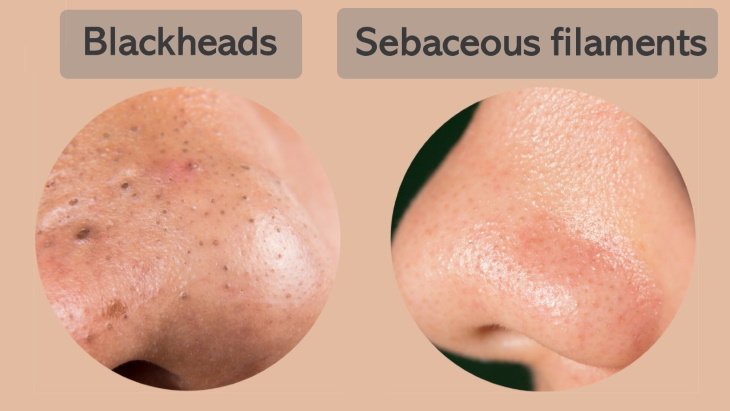
We’re used to calling any pimple and
sometimes just any enlarged pore a blackhead, but not all clogged or
enlarged pores are blackheads. Blackheads are a type of acne that
appears as dark spots that stretch out and clog up the pores, and their
cousins are whiteheads - essentially the same spots, but located deeper
in the pore. There are many causes of blackheads and whiteheads, ranging
from poor diet, skin that's producing too much oil, hormonal changes,
and even sebum (skin oil) oxidation by the sun. Importantly, blackheads
should not be confused with other skin conditions that should be treated
differently to blackheads, such as:
Comedones - skin-colored bumps on the skin common on the forehead.
Acne vulgaris - large red bumps or pus-filled pimples.
Sebaceous filaments - small transparent or slightly greyish dots on
the skin that are normal and should not be removed to prevent acne
formation.
Dermatologists and estheticians suggest easier to prevent blackheads by
maintaining a basic skincare routine than treat them once they appear,
namely:
1. Cleansing the face daily or twice a day if you have combination or
oily skin.
2. Using products that contain AHA or BHA (e.g. salicylic acid, glycolic
acid, lactic acid, azelaic acid, and mandelic acid) on the skin twice
or 3 times a week.
3. Moisturizing the skin daily each time you wash the face.
4. Wearing sunscreen daily to prevent the oxidation of sebum.
That being said, there are several extra at-home treatments you can do
to get rid of and prevent blackheads (and whiteheads). Below, we
featured 5 excellent natural treatments that use common household
ingredients like green tea, turmeric, ice, and more. If you're
struggling with clogged pores, whiteheads, or blackheads, we recommend
you try out any of these useful and effective DIY recipes:
1. Green Tea Rinse
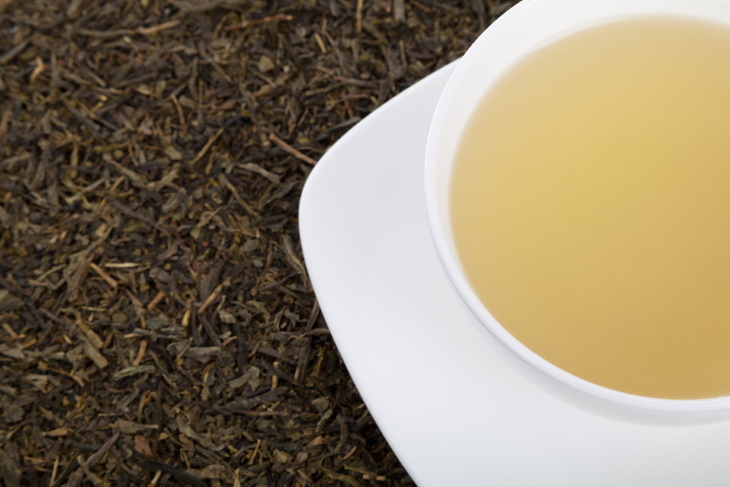
Green tea is an excellent ingredient for the skin:
its anti-oxidant, antimicrobial, and anti-inflammatory benefits are
known to reduce the amount of oil in the skin, hence reducing blackheads
and whiteheads, and calm down any redness or inflammation in the skin,
making it beneficial for acne overall. If used regularly, you can even
brighten the overall complexion with green tea.
When putting green tea on the face, make a stronger brew than you
normally would, putting 3-4 teaspoons of tea or 3 teabags per glass of
hot water. Let the tea cool down, the colder the better, before putting
it on the face, as the cold will make your pores look smaller. You can
either splash some of the tea directly onto your face or apply some
using a cotton pad. It's important to wash your face before using the
green tea rinse.
For best results, use daily, and follow up with a moisturizer. You can
store this homemade green tea toner in the refrigerator for up to 3
days.
2. Tea tree oil for spot treatment
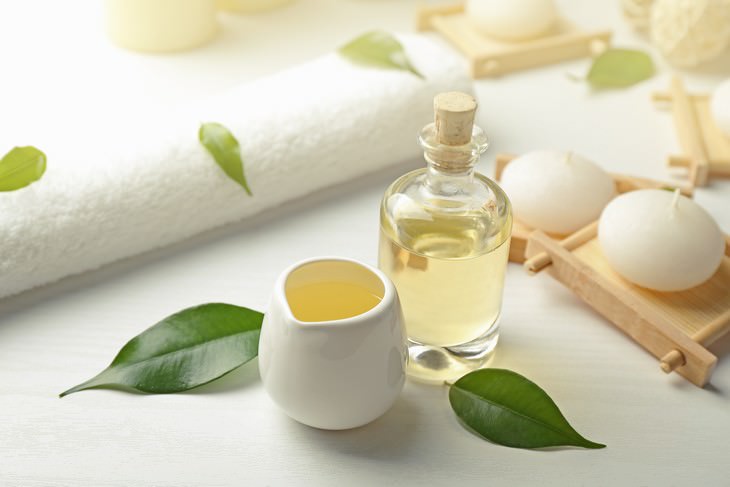
Similarly to green tea, tea tree oil has
anti-inflammatory and antimicrobial properties, and it's even used to
treat fungal skin and nail infections, psoriasis, dandruff, and promotes
wound healing. The same properties make tea tree oil an excellent
treatment for acne, blackheads, and whiteheads as well, and many people
do manage to treat these issues with tea tree oil.
Do keep in mind, though, that tea tree oil is an essential oil, which
means that it's extremely concentrated and so needs to be diluted with a
carrier oil to avoid skin burns. The best way to use tea tree oil is as
a spot treatment, applying it directly onto the blackheads. To do so,
mix 1 tablespoon of any base oil of your choice (e.g. jojoba oil,
rosehip oil, sunflower seed oil, grapeseed oil, but NOT coconut oil
because it can further clog up the pimple) with 5 drops of tea tree oil
and apply this mixture to spot 1-2 times a day.
3. Clay mask
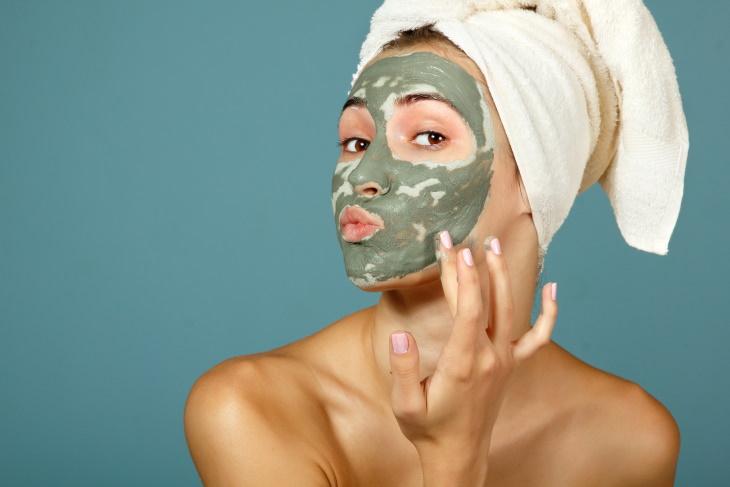
Clay is another super ingredient when it
comes to acne and blackhead and whitehead removal and prevention, as it
acts like a sponge, absorbing the excess oils from your skin and giving
your pores a deep clean. Any type of clay will do the job, with kaolin
clay being possibly the most popular for the skin.
To make a clay mask, all you'll need to do is mix the clay with a tiny
amount of water so that the clay powder forms a thick paste, and then
apply the mask on clean skin. You can keep the mask on for about 10-15
minutes, keeping it on for any longer will dry out your skin. Wash off
the mask completely with lukewarm water, and follow up with a
moisturizer.
If you have combination, normal, or dry
skin, you can only apply the clay mask to the area where you have
blackheads or where your skin gets oily, typically the T-zone or just
the nose, and keep the other areas bare not to dry out your skin. You
can do this mask 1-2 times a week.
4. Facial oil massage
People who have blackheads or oily skin are
typically afraid to use oils on their face, but they really shouldn't,
as oils can really help them erase the blackheads from their skin for
good. Do keep in mind, however, that you shouldn't use coconut oil on
your face, since it can be comedogenic for some people, meaning that it
can be pore-clogging.
Instead, use neutral oils like grapeseed oil, jojoba oil, rosehip oil,
sunflower seed oil, or others on the skin. We have previously written
about oils beneficial for the skin.
For this specific method, you will be washing off the oil and cleansing
your face afterward, so no need to use an expensive facial oil, any oil
cleanser or inexpensive carrier oil will do the job. All you will have
to do is apply the oil on the skin and start massaging the face in small
circular motions, focusing on the areas where you have clogged pores
and blackheads. Massage for several minutes until you see small black
lines - oil plugs and blackheads - start emerging from the skin. When
all of these are gone, wash off the oil with warm water and a cleanser.
Follow up with a moisturizer.
5. Turmeric and Oatmeal Mask
We hardly need to remind you of the amazing
anti-inflammatory and antioxidant properties of turmeric, but when it
comes to the use on the skin, it has one drawback - it can stain.
However, some beauty experts point out that one specific variety, namely
Kasturi turmeric, doesn't stain the skin. We'd still be careful if we
were you, though, so we recommend wearing gloves and clothes you don't
mind staining when applying this mask.
The second ingredient in this mask is a calming and anti-inflammatory
ingredient as well - oatmeal. In addition, the ground oatmeal will
provide a gentle exfoliation on the skin, which also benefits clogged
pores.
To make this mask, combine 1 tablespoon of ground oatmeal, half a
teaspoon of Kasturi turmeric powder, and about 1 teaspoon of water to
create a thick paste. If necessary, add more water. Apply the mask on
the entire face or just the area that's prone to blackheads and
whiteheads and leave on for about 7-10 minutes. Wash the face before and
after using this mask and follow up with a moisturizer.
In stead of oatmeal, you may add coarse rice flour, which when made as a mask with turmeric, you may add either milk, water, rub against the direction of the hair growth, by regular usage, you'll not have any facial hair and skin tan due to going out in the sun, will also reduce.