The 7 Healthiest Grains You’ve Never Heard Of
For centuries, grains have been a staple in human diets, offering vital sustenance, nutrition, and versatility to cultures worldwide. While you may already know about popular grains like oatmeal, millet, and quinoa, there are several other lesser-known yet healthy varieties that can be excellent additions to a balanced diet. If you're looking to expand your palate and boost your health, here are five not-so-popular grains that you should definitely consider trying.
1. Amaranth
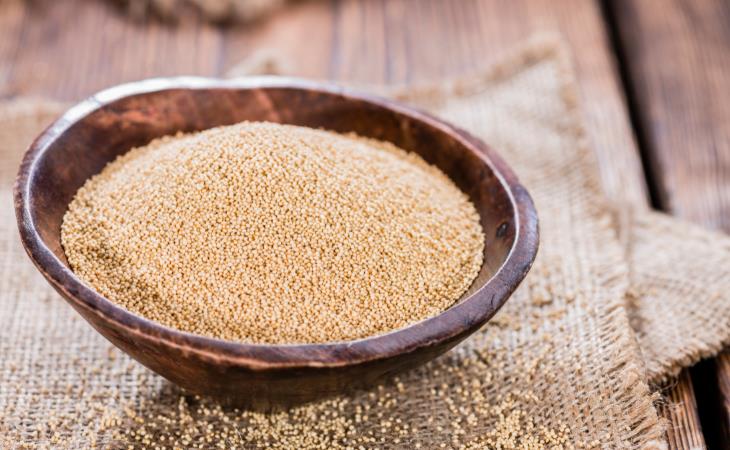
For over 8,000 years, amaranth has been a
mainstay in cuisines across the world, respected not just for its
gluten-free status but also for its high nutritional content. Like
quinoa, amaranth has a complete protein composition, which includes a
variety of amino acids essential to muscle growth and tissue repair.
This beige grain is a nutritional
powerhouse, including high amounts of fiber as well as key bone-building
elements like phosphorus and magnesium. Furthermore, amaranth includes
squalene, a compound that was studied in 2019 for its ability to
supplement chemotherapy treatment by shrinking tumor growth in mice.
Amaranth can be substituted for rice, couscous, or quinoa in several
recipes. It may also be used to thicken soups and stews, providing body
and texture.
2. Spelt
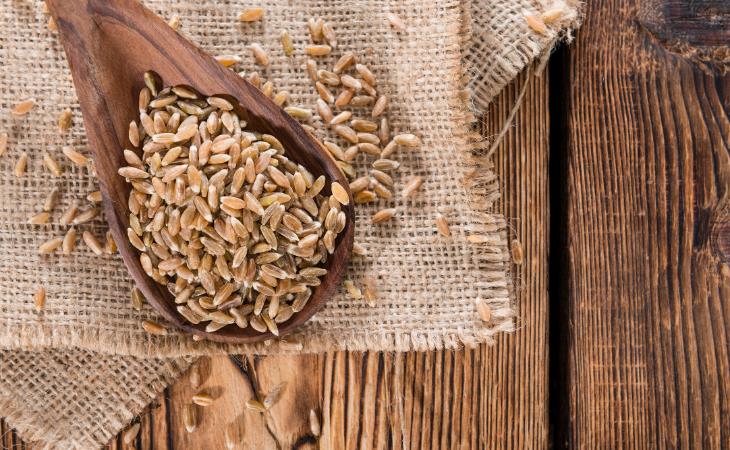
Spelt is a form of wheat that has more
protein than other varieties, providing 10.7 grams per cup. This ancient
grain is high in fiber, with 8 grams per cooked cup. It also contains
high levels of iron, magnesium, and zinc, which help boost immunity.
Despite containing gluten, wheat-sensitive people generally find spelt
simpler to digest.
Spelt is an excellent substitution for rice in burritos, as well as in
soups, salads, and veggie burgers. Spelt flour can be used in place of
whole wheat flour in baked items, although more liquid is required since
the flour absorbs more water.
3. Teff
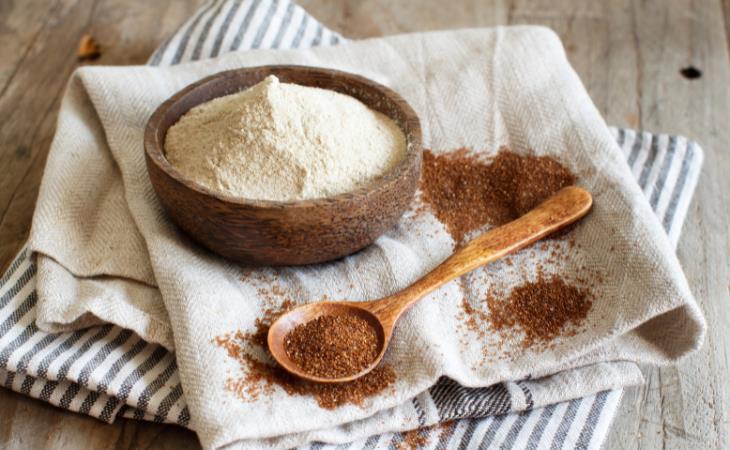
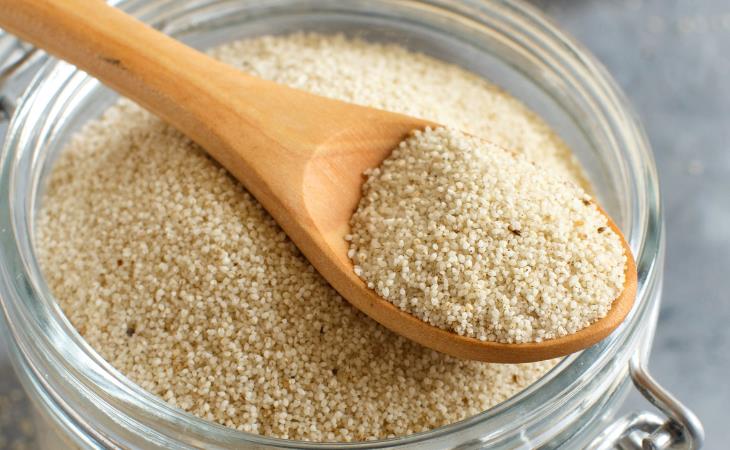
Teff is the world's smallest grain,
measuring around 0.7-1% the size of a wheat kernel. A single cup of teff
packs a punch with 123 milligrams of calcium. Also, it is gluten-free
and a solid source of vitamin C. Teff is packed with high-resistant
starch, which lab studies suggest may help prevent colon cancer.
This is only for your information, kindly take the advice of your doctor for medicines, exercises and so on.
Teff is gluten-free as well, which makes it
suitable for use in a wide range of meals, including cereal, soups,
stews, and gluten-free baked products. It is readily available, either
online or in some stores.
4. Freekeh
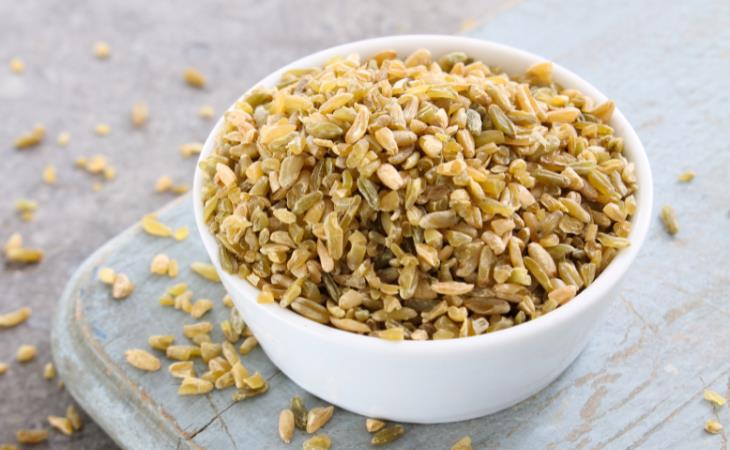
Freekeh is a mainstay of Middle Eastern
cuisine. It's made from green durum wheat and is high in nutrients and
essential carotenoid compounds like lutein and zeaxanthin, which help
protect against degenerative eye conditions such as cataracts and
age-related macular degeneration. Freekeh is wheat harvested early,
distinguished by its yellowing leaves and fragile green seeds, and then
precisely roasted to provide a deep smokiness. Freekeh has about four
times as much protein as brown rice and has a low glycemic index.
Furthermore, its high fiber content is beneficial for colon health.
Freekeh has an earthy, nutty taste and a satisfyingly chewy texture,
similar to brown rice. Freekeh is a versatile grain that complements the
flavor and texture of soups, stews, casseroles, and light summer
salads.
5. Farro
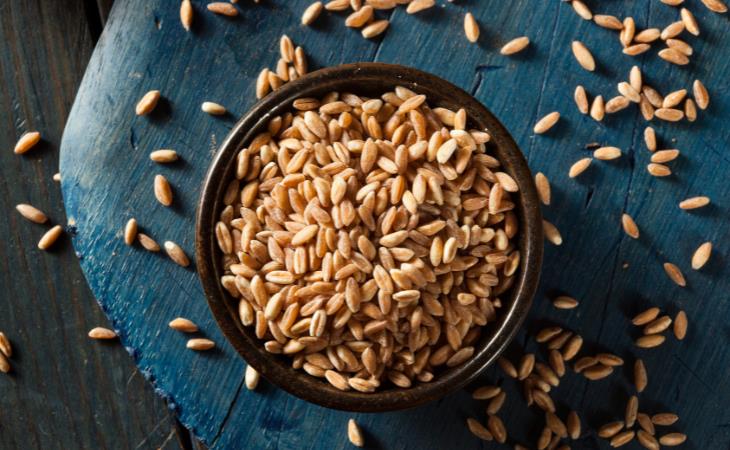
Farro is an ancient type of wheat that is
high in protein and fiber, which can help you feel full and prevent
overeating. It also contains a lot of magnesium, providing 31% of your
daily needs per 100 grams. Farro is also rich in antioxidants, including
polyphenols, carotenoids, and phytosterols, that can lower your risk of
chronic illnesses such as heart disease and some cancers.
Gluten-containing grains such as this one are easily incorporated into
your diet, and can be eaten similarly to other grains. Just add it to
dishes like salads and soups.
6. Fonio
Fonio, a type of millet common in West
African countries, is classified into white fonio (Digitaria exilis) and
black fonio (Digitaria iburu). It is high in amino acids, particularly
methionine, which helps with fat digestion and toxin clearance from the
liver and brain. Also, fonio is high in magnesium, zinc, and manganese,
making it a valuable dietary inclusion.
Fonio has a wide range of culinary applications: it may be crushed into a
wonderful gluten-free flour for baking or boiled to create a light and
fluffy texture similar to couscous.
7. Bulgur
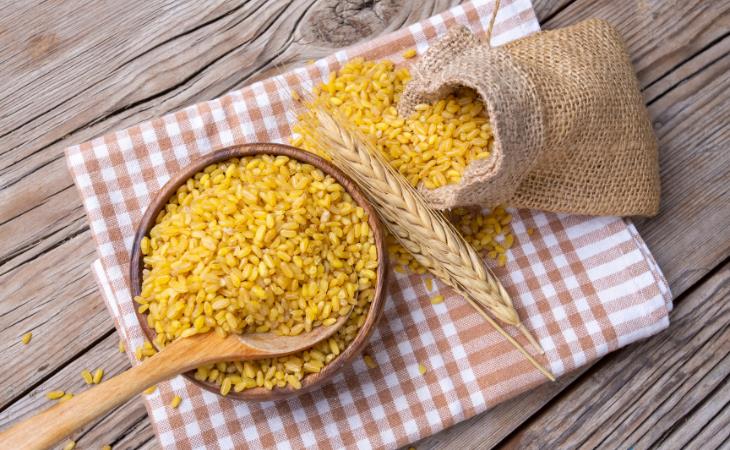
Bulgur, also known as cracked wheat, plays
an important role in Middle Eastern culinary traditions. Made from
cracked durum wheat, bulgur is widely used in salads like tabbouleh or
as a rice alternative in pilaf. Rich in fiber, bulgur may improve heart
health, digestion, blood sugar balance, and weight management. However,
individuals with gluten or wheat sensitivities should exercise caution,
as Bulgur contains wheat components that may trigger adverse reactions.


Comments
Post a Comment