Blisters are an unpleasant and unsightly condition caused by fluid
buildup beneath the skin's surface. They typically arise from friction
or burn-induced heat and are most frequently found in areas of the foot
subjected to friction, such as the toes, heel, ball of the foot, or
sole.
The discomfort and pain they cause can significantly impact our daily
lives, making each step a painful reminder of our footwear choice.
However, suffering from blisters doesn't mean you have to sacrifice
style or endure the pain. Thankfully, podiatrists and orthopedic
surgeons recommend proven methods that can make our lives easier. Here
are some of their best tips for making your shoes more comfortable if
you have blisters.
1. Give your feet a saltwater footbath
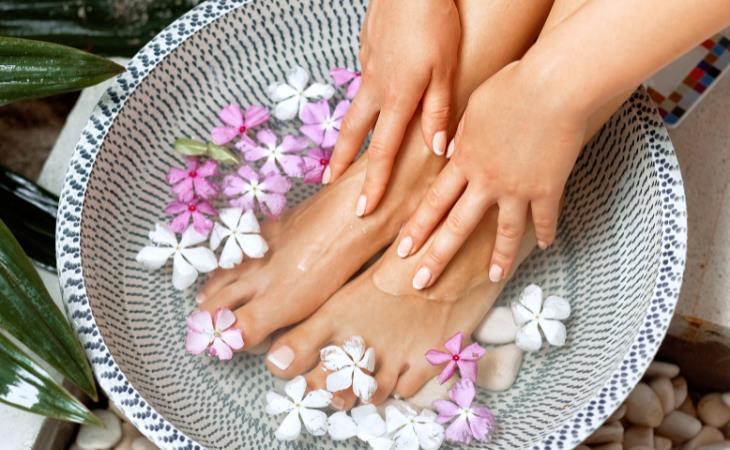
One of the most effective ways to treat a
blister at home, according to podiatrists, is to immerse your feet in a
soothing foot soak with saltwater. Additionally, they recommend applying
an antiseptic and a sterile dressing to alleviate discomfort when
wearing shoes. Experts also advise against popping the blister, as it
exposes it to infection risk. Instead, it is advisable to let the
blister heal naturally and eventually fall off.
Podiatrists stress that signs of infection
include heat, swelling, excessive pain, and odor.
2. Oil your shoes
Relieve blister pain caused by leather shoes by massaging the shoe edges
with massage oils like neatsfoot oil, mink oil, coconut oil, or olive
oil. The shoes will become softer, less abrasive, and less likely to
cause irritation with regular application over a few days. If you're
skeptical about the effect of specific oils on the shoe's appearance or
lifespan, you can choose a leather conditioner as a substitute for oil.
3. Try specialty insoles
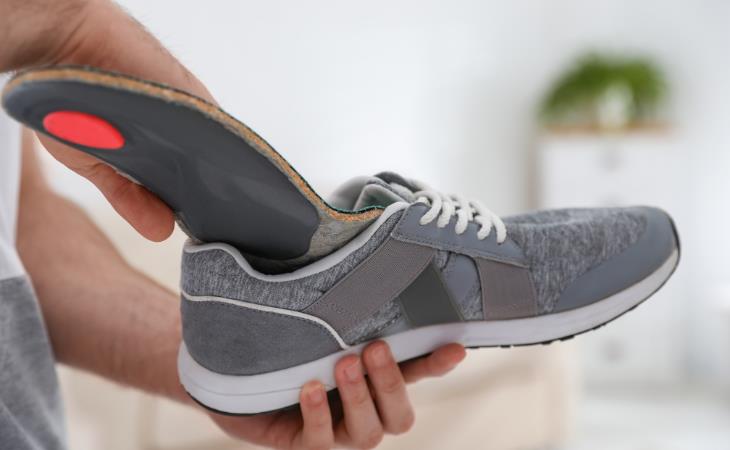
To prevent exacerbating a blister, you must
steer clear of activities that could cause additional harm. This is
where specialty insoles come in handy. Using specially designed insoles
can provide your feet with increased comfort and protection. These
insoles not only provide extra padding but also help evenly distribute
pressure across your foot. Experts in foot health suggest that by
dispersing and separating pressure, you can reduce the likelihood of
developing blisters in high-pressure areas.
4. Use anti-blister socks
Anti-blister socks can soothe post-blister
discomfort and prevent additional harm to the foot. These socks, made
from specialized fabrics, are designed to minimize moisture and
friction, thereby decreasing the likelihood of blisters compared to
cotton socks.
Consider socks made of wool, hemp, or
bamboo, known for their moisture-wicking properties. These types of
socks effectively regulate foot temperature, draw away moisture, and
minimize the chances of developing blisters. Additionally, modern socks
now offer extra padding in the heel, arch, and toe areas.
5. Or try wearing two socks together
If you don't have access to anti-blister
socks, there are alternative ways to experience their advantages, like
wearing two cotton socks together. This technique not only offers
additional padding and protection, but also helps with moisture
absorption and friction reduction. Just be cautious to check if your
shoes can accommodate the extra fabric when using this method. After
all, you do not want shoes that are suddenly too tight, compress, and
cause blisters to develop.
6. Choose the right footwear
When you have blisters on your feet, making
the correct footwear choice can have a tremendous impact on your
comfort, advises L.S. Wang, MBBS, an orthopedic surgeon. A good pair of
shoes should provide sufficient room to prevent irritation of the
blisters, but be snug enough to prevent rubbing and the development of
new blisters.
When shoes are overly tight or too wide, they can create friction that
results in blisters. To reduce the risk and prevent the deterioration of
present your blisters, it is advisable to wear well-fitting shoes that
give ideal protection for your blisters and feet.
Orthopedics suggest refraining from pushing yourself through the pain,
as this could lead to the blister popping and becoming infected. The
best solution would be to change your shoes, but if that is not
possible, try to change the part of the footwear that is causing
friction.
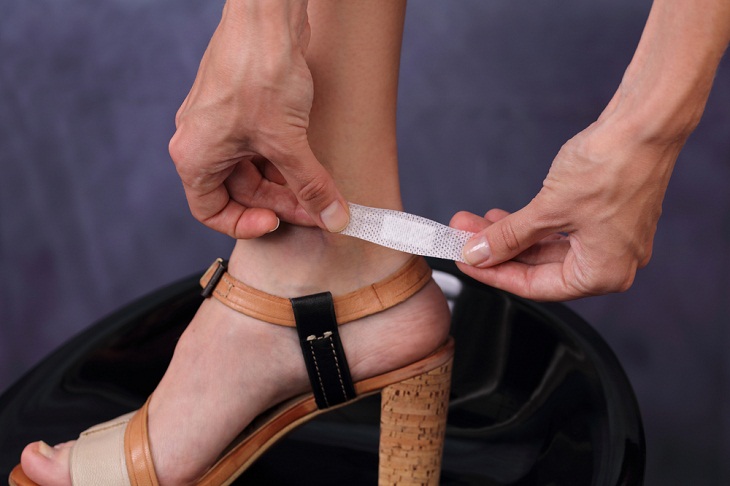
7. Use productive products to cover the blisters
You have several options at your disposal
if you wish to protect blisters against friction-causing elements on the
inside walls of your shoes or other parts of your footwear. Moleskin,
bandages, and blister pads all stick to the skin around the blister to
create an effective barrier.
When your blister has almost healed completely, podiatric specialists
suggest using anti-friction products such as creams, balms, or
anti-friction sticks. These can effectively guard your skin against
friction caused by your shoes.
This is only for your information, kindly take the advice of your doctor for medicines, exercises and so on.
https://gscrochetdesigns.blogspot.com. one can see my crochet creations
https://gseasyrecipes.blogspot.com. feel free to view for easy, simple and healthy recipes
https://kneereplacement-stickclub.blogspot.com. for info on knee replacement
https://cancersupportindia.blogspot.com for infor on cancer and health related topics
https://GSiyers
home remedies.blogspot.com is the latest addition to my blogs. I'm
going to add posts there, do give me your valuable feed back on my
blogs. Thanks a lot, take care, be healthy and be happy


Comments
Post a Comment