6 Natural Ways to Prevent Excessive Water Retention
When fluid accumulates in the circulatory
system’s cavities and tissues, uncomfortable swelling manifests in the
legs, feet, ankles, and hands. This water retention, otherwise known as
edema, is a common medical complaint suffered by pregnant women, people
who are largely inactive, are on long-term medication, bedridden, or
lead a sedentary lifestyle. An edema is not considered life-threatening
in itself, though it could be a sign of such a serious issue (for
example kidney disease or heart failure). Fortunately, most of the time
edema is preventable, treatable and any uncomfortable swellings can be
reduced.
Here are 6 of the most common causes of edema and some excellent tips on
how to avoid or remedy the condition:
1. Excessive Sodium Intake
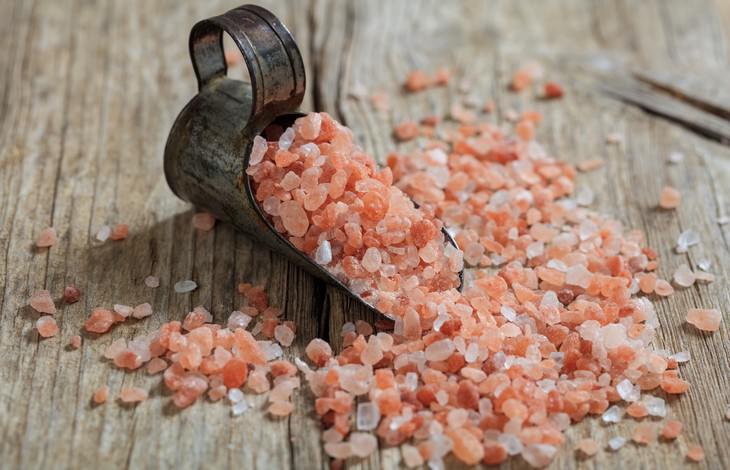
The body begins to retain water in ‘reserve
mode’, when we consume too much high-sodium food and drink too little
water. To help deal with and dilute the salt in our system, body cells
enlarge themselves by up to 20 times, with water. Eating too much salt
in itself is not the only cause of high sodium levels since many canned
vegetables, sauces and processed meat also contain a lot of salt too.
Try: Amazingly there is a salt that will not cause your body to retain
water, but reverse the situation. Drinking a glass of water with either
Celtic sea or Himalayan salt has been shown to help reverse edema.
2. Vitamin B6 deficiency
Vitamin B6 helps to regulate our body’s
water balance. Thus, if we don’t get enough of this vitamin, we may be
at risk of water retention and swelling. One study has found that women
suffering from PMS related edema benefited greatly from consuming
vitamin B6. The benefits were much greater than those to be gained from
any other supplement. Because B6 is water-soluble, it works better taken
from whole foods.
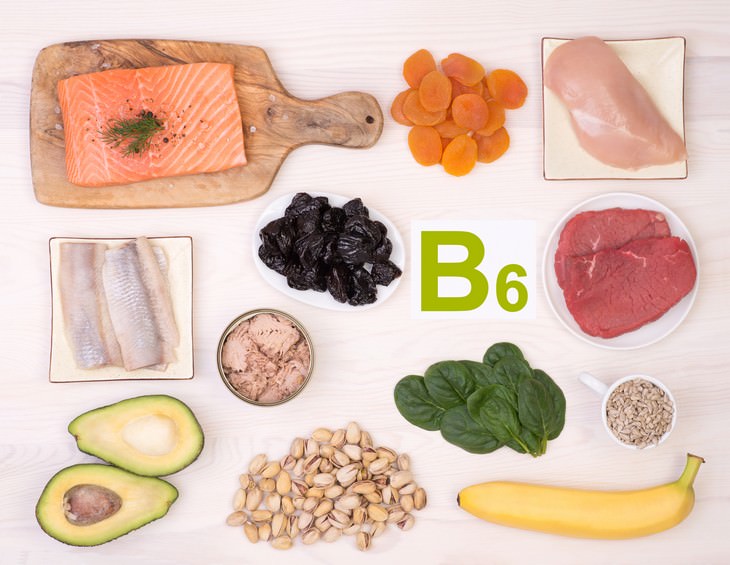
Try: Some of the best foods you can eat for increased vitamin B6 include
the following: bananas, lean beef, turkey, chicken, tuna, potatoes
(unpeeled), pistachios, dried fruit and sunflower seeds.
3. Potassium deficiency
Potassium is also necessary for maintaining
the body’s water balance, being an electrolyte that is crucial to cell,
tissue and organ functioning. Potassium levels dip as a result of not
eating foods rich in the substance, profuse sweating after exercise, and
eating sodium-rich foods. Edema often occurs if potassium levels are
not properly maintained.
Other problems that may result as a consequence of potassium deficiency
may include muscle spasms, cramps, and weight gain. Potassium, then, can
reduce edema by keeping sodium levels down and boosting urine
production.
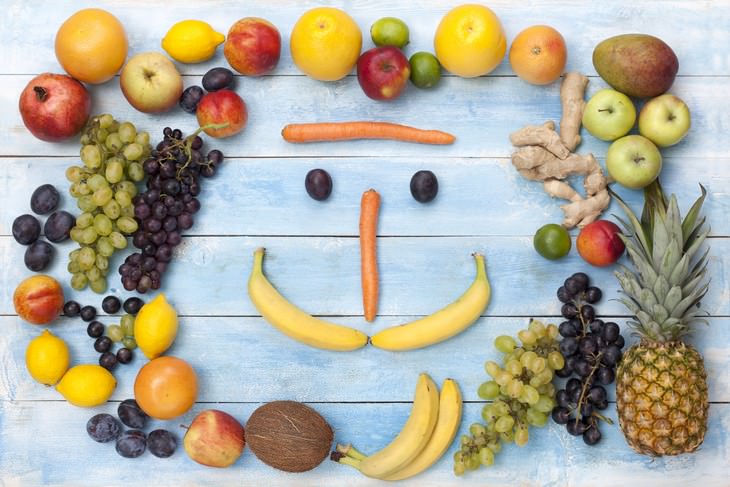
Try: Rather than relying on potassium supplements, it would be better to
maintain a diet of potassium-rich fruits (and vegetables). Most fruits,
in particular, will provide you with plenty of the nutrient, yet the
highest amounts are said to be found in rock melon, honey melon, and
watermelon.
4. Dehydration

You may be surprised to find that a lack of
water causes water retention and swelling. This occurs as the body
desperately tries to retain as much water as possible in order to stay
alive. This situation can be prevented by drinking water regularly, as
well as juices that are rich in potassium (these do not replace water as
they can be loaded with sugar and calories. Water is usually best).
Try: Avoid drinks that tend to dehydrate your body, such as soda pops
and coffee, while drinking lots more water until the edema subsides.
5. Magnesium Deficiency
Magnesium deficiency also frequently causes
water retention. Because it is needed for so many body functions, low
levels of Magnesium can harm many bodily processes. One study has shown
that around 200 mg of daily magnesium can lower the water retention of
women suffering from PMS.
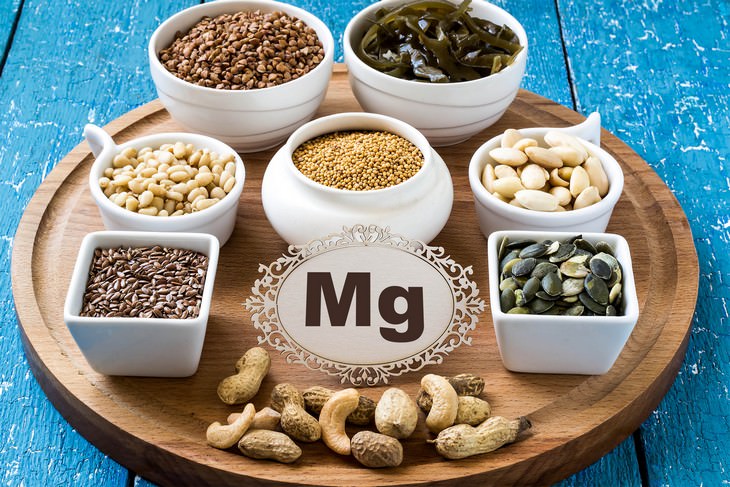
Try: Reduce edema by eating more magnesium-rich food or take good
quality magnesium supplements. Such foods that are rich in magnesium
include the following: dried fruits, yogurt, spinach, peas, whole
grains, nuts, avocados, dark green vegetables and dark chocolate.
6. Excessive consumption of Processed Foods
Processed foods are both rich in sugar and
sodium, and contain a lot of food additives that damage the liver and
kidneys. Certain sugar-rich foods, like those in artificial sweeteners,
causes rapid blood sugar and insulin spikes. These results cause
increased sodium retention, which itself is bad news for water
retention.
Always try to keep away from processed foods. To keep your liver working
well and to stave off other potential health issues, use juices to help
detox your body if you have been consuming too many processed foods.
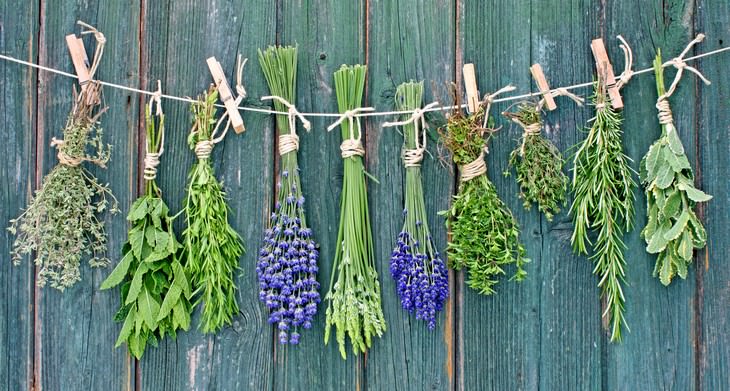
Try: When it comes to improving your body’s condition with regard to
water retention, the following herbs have been shown to be useful,
thanks to their strong diuretic qualities: parsley, fennel, garlic,
hibiscus, nettle, corn silk, and horsetail.
This is only for your information, kindly take the advice of your doctor for medicines, exercises and so on.


Comments
Post a Comment