Relieve Cough and Congestion With These Home Remedies
Acute bronchitis is an inflammation of the
lining of the lungs' major airways. It's usually caused by a viral
infection, and symptoms include coughing, congestion, and sputum, as
well as headaches, a painful or itchy throat, exhaustion, and muscular
aches.
Self-treatment of acute bronchitis is a
feasible alternative, with most cases improving within 10–20 days. While
a persistent cough might last for up to four weeks, medical attention
is not always required. Chronic bronchitis, on the other hand, requires
medical attention if it lasts three months or more. However, symptoms
might be reduced using home remedies.
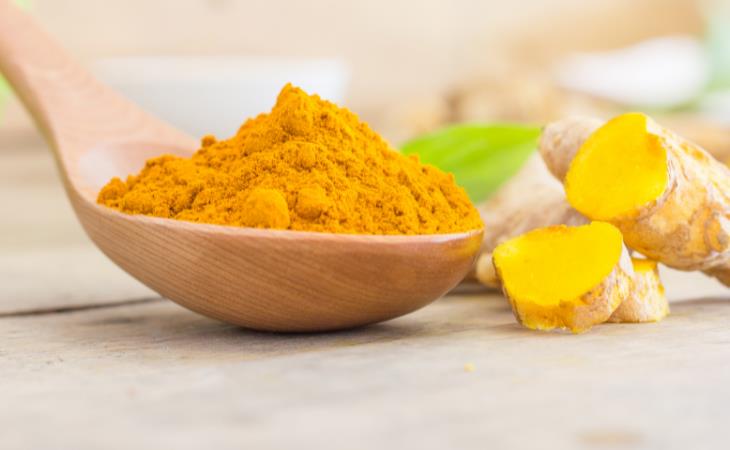


Here are 10 home remedies for bronchitis that will have you feeling better in no time.
1. Turmeric
In a 2018 study, researchers found that
turmeric has several properties that may be beneficial in the treatment
of bronchitis. These include its antiviral, antibacterial, and
anti-inflammatory effects. Turmeric also boosts antioxidant activity,
potentially decreasing discomfort and boosting immunity.
Here are some easy ways you can take turmeric:
* Add fresh turmeric to salads or used to make pickles.
* To make a paste, combine 1/2 teaspoon powdered turmeric and 1 teaspoon
honey. While the symptoms remain, consume the paste 1 to 3 times each
day.
* Take the turmeric capsules as prescribed.
* To make tea, use either powdered or fresh turmeric.
2. Sip hot tea with honey
Tea, according to medical professionals,
helps with hydration, and there is enough research confirming the
beneficial effects of honey on coughs. As per one study, children with
respiratory illnesses who consumed honey before bedtime had
significantly improved sleep quality despite having a cough. Honey also
lends a wonderful sweetness to your tea.
3. Pineapple
Pineapple juice contains bromelain, which
has anti-inflammatory properties. This natural chemical may help to
relieve bronchitis and other respiratory infections by aiding mucus
breakdown and ejection.
4. Drink lots of fluids
Drinking eight glasses of water per day is
one of the most important steps for treating bronchitis, medical
professionals say. The rationale behind this recommendation is that
adequate water intake helps replenish fluids lost due to accelerated
breathing, potentially addressing dehydration and diminishing mucus
thickness, as indicated in a Cochrane review. However, randomized,
controlled studies are necessary to conclusively establish the benefits
of increased fluid consumption. Before significantly increasing your
fluid intake, consult your doctor for personalized guidance.
5. Add garlic to your diet
Garlic is well-known for its therapeutic
benefits. A 2016 study revealed that garlic may prevent the formation of
the infectious bronchitis virus. This finding suggests that garlic
could be used as a natural treatment for bronchitis.
Fresh garlic provides the most benefits; however, pills are an option
for those who dislike the taste. If you have a bleeding issue, use
garlic with caution and consume it in moderation to avoid stomach
irritation.
6. Gargle with hot salt water
Gargle with salt water to ease throat
discomfort and loosen mucus. Mix 1 teaspoon of salt in a warm glass of
water, sip the solution, and gargle at the back of your throat. Make
sure you spit it out in the sink without swallowing it. Feel free to
repeat this process as needed, and consider rinsing your mouth with
plain water afterwards.
7. Have some hot chicken soup
9. Increase your Vitamin C intake
Several studies have demonstrated that
chicken soup may be beneficial for treating bronchitis symptoms. In
fact, one study showed that certain components of chicken soup are
anti-inflammatory and may help treat upper respiratory tract infections.
Health professionals commonly recommend eating free-range,
organically-fed poultry.
8. Steam inhalation
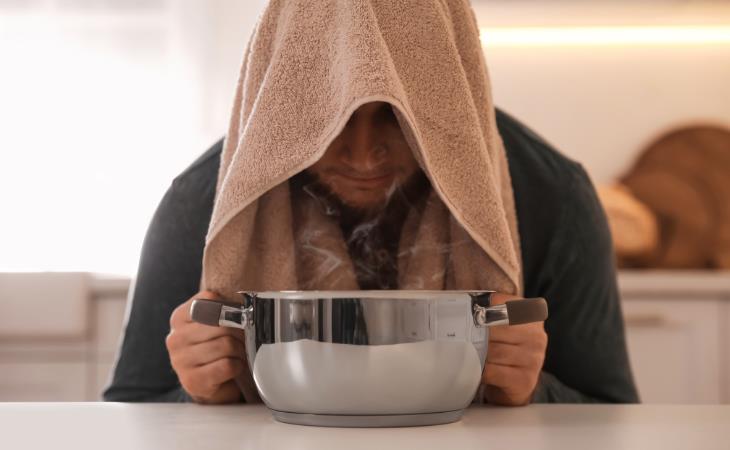
Steam is an effective way to break up
mucus, making it easier to breathe. Take a hot shower or bath, or create
a steam room by running hot water in a closed bathtub.
Another option is to pour hot water into a bowl, lean over it, and cover
your head and the bowl with a towel. However, be cautious since the
steam can be hotter than expected. Use this method for only 1-2 minutes
at a time to avoid burning your face or your airways. If the steam feels
too hot to breathe comfortably, let the water cool for a few minutes
before trying again.
9. Increase your Vitamin C intake
The antioxidant properties of vitamin C
boost the immune system and prevent cell damage caused by excessive
inflammation. While most adults can tolerate up to 2,000 milligrams (mg)
daily, surpassing this limit may lead to digestive issues such as
diarrhea or an upset stomach. Consider spreading your vitamin C intake
throughout the day and including rich sources like bell peppers, citrus
fruits, and berries into your diet to maximize absorption.
10. Consider a humidifier in your bedroom
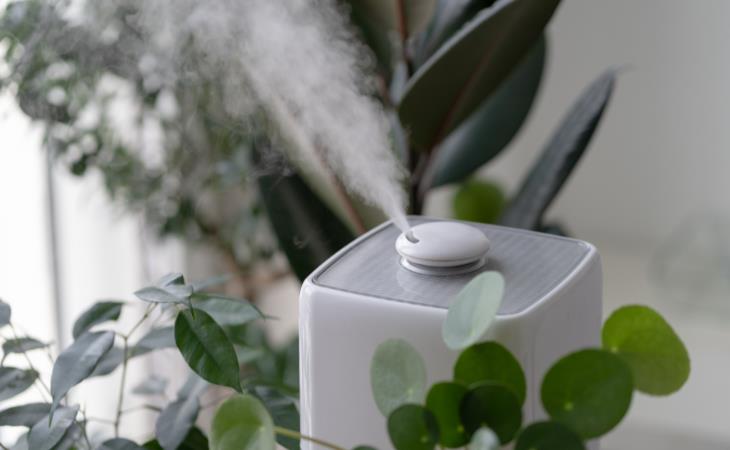
The absence of moisture in the air can
worsen bronchitis symptoms by irritating the bronchial tubes. The
National Heart, Lung, and Blood Institute recommends using a humidifier
to make breathing easier and relieve airway congestion. You must
strictly follow the instructions for using and cleaning your humidifier
to prevent the growth of mold and bacteria, both of which have been
linked to symptoms of bronchitis. Maintain daily water changes and clean
the humidifier every three days. A steamy shower might also bring
immediate comfort.
This is only for your information, kindly take the advice of your doctor for medicines, exercises and so on.


Comments
Post a Comment