This Meditation Is Great For Your Emotional Well-Being
All of us aspire to lead happy and peaceful
lives. Research shows that practicing gratitude regularly can make you
happy, as it boosts your overall mental health and well-being. There's
enough scientific evidence to tell us that giving thanks can help
increase optimism, improve immune function, lower blood pressure, reduce
depression, and even increase sleep quality.
Gratitude also allows the body to release dopamine and serotonin, the hormones that make us feel good.
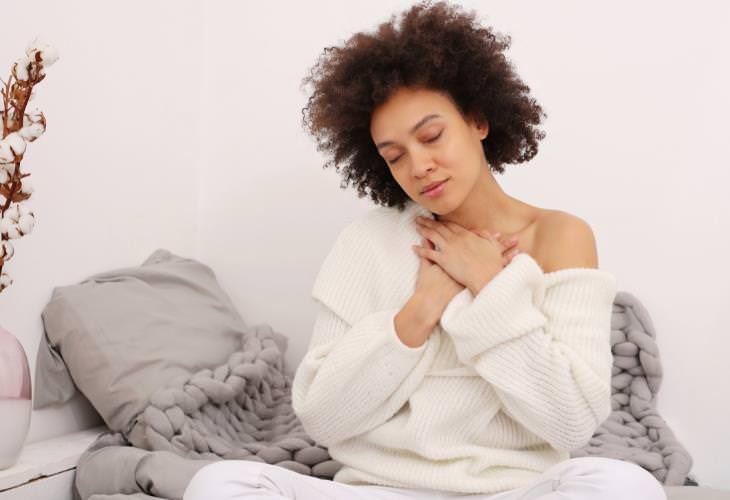
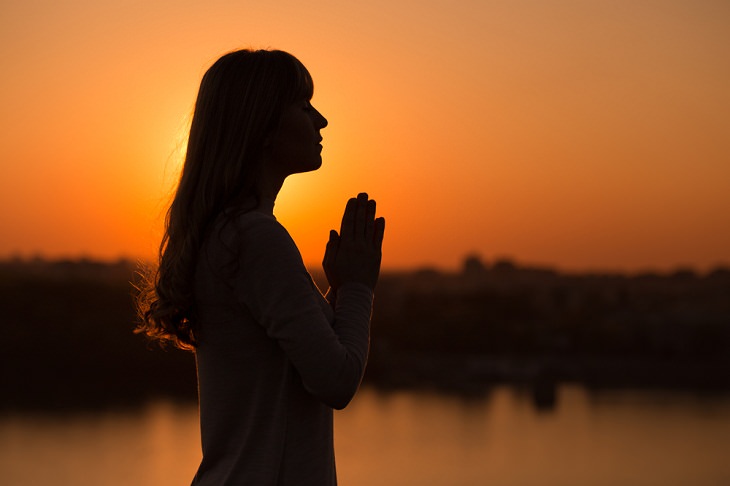
Expressing gratitude means being grateful
for the good things in our life, particularly when the going is rough.
If you think about it closely, you will realize that there are countless
things to be grateful for, such as:
* Waking up in the morning
* Good health
* Your family
* Your home
* The beauty of nature
* The breath of life.
There are several more points you can add to this list, of course. But
basically, most gratitude lists don’t usually comprise many material
belongings. Psychologists say that expressing gratitude should start
with the acceptance that we are all fortunate to have received the
blessing of the universe and of life itself.
Keeping a gratitude journal is a good way to record the things you are
thankful for. Making this a daily habit will help you keep your focus on
the people, circumstances, or things for which you are grateful. It
slowly improves your overall mood as you wander away from worrying
thoughts and replace them with positive ones.
What is Gratitude Meditation?
So what is gratitude meditation? As the
name suggests, it’s a type of meditation that focuses on gratitude.
Meditation, as you might be aware, is a thought practice that improves
physical and mental health. In traditional meditation, we focus on
breathing and repeating a sound, word, or phrase. Similarly, in
gratitude meditation, you reflect on all the people and things you are
grateful for as you meditate.
According to Be Happy Yoga & Salt Cave, gratitude meditation is “a
simple way to meditate” because, at its core, all you have to do is just
“reflect on all the people and things you are grateful for.”
This unique technique is all about experiencing those feelings of
thankfulness for the little things in your life – be it your health, a
good summer day, the weight loss goal you achieved, or even a nice cup
of coffee you had.
Gratitude meditation allows you to express and cultivate this
appreciation in a focused way.
How to practice Gratitude Meditation?
The best thing about a gratitude meditation
practice is that it isn’t restricted. While traditional meditation
usually involves sitting in a quiet room and clearing your mind,
gratitude meditation can be performed in a variety of ways.
Here's one simple way to practice gratitude meditation:
Step 1. Find a serene place to relax. Let yourself sit quietly and at
ease.
Step 2. Choose a comfortable meditation posture that allows you to be
both relaxed and attentive.
Step 3. Take a few deep breaths and focus your mind on the present
moment.
Step 4. Begin to acknowledge the many things you are thankful for. For
example: “I offer my gratitude for the measure of health I have been
given,” “With gratitude, I remember the blessings of my friends and
family,” or “I offer my gratitude for the experiences that made me
tougher.” Keep reciting these phrases with every breath you release.
Step 5. Now, take a few deep breaths again and move your focus to
express joy for your loved ones. Continue breathing gently and imagine
any of your loved ones in a state of well-being, happiness, and success.
As you take each breath, keep offering them your heartfelt and grateful
wishes.
Step 6. Focus on as many people as you want. As the joy for them grows,
take a pause and then express gratitude for yourself.
Step 7. Keep practicing as long as you feel comfortable.
As you begin to incorporate gratitude
meditation in your life, you will find yourself becoming more familiar
with the feeling of appreciation. That heartwarming feeling will
ultimately encourage you to be more in the present and hopefully give
you a better sense of well-being.


Comments
Post a Comment