How to Naturally Get More Dopamine, the Happy Hormone
Dopamine is often called ‘the happy
hormone’ because an increase in dopamine levels is often described as
feeling good, more motivated, and more energized. A lack of dopamine in
the system, on the other hand, is associated with a feeling of
indifference and lack of enthusiasm. Moreover, chronically low dopamine
levels are believed to be one of the main causes of depression.
As you may imagine, keeping your dopamine levels balanced is essential
for a healthy, active, and happy life, and so understanding what
dopamine does and how to keep your dopamine levels in check is a good
way of promoting physical and mental health.
How does Dopamine work?
How does Dopamine work?
Dopamine is what scientists call a
neurotransmitter, which is essentially a chemical that travels through
our brain and body and unlocks different functions by binding to
specific receptors. It is produced in several parts of the brain in
response to various pleasurable activities, like eating ice cream for
the first time, and it’s what motivates us to seek out said activities
(in our case, ice cream) in the future.
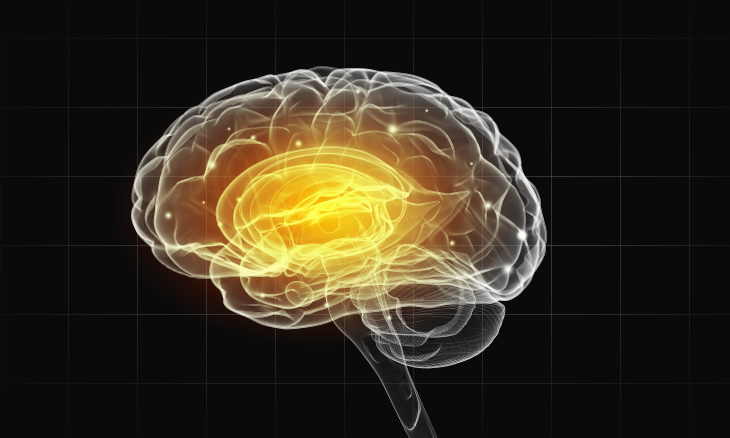
Contrary to popular belief, dopamine isn’t
just a hormone that makes you happy and motivated, though, as it has
many important functions throughout the body, such as controlling nausea
and vomiting, as well as our perception of pain. Dopamine is also
capable of regulating blood pressure and heart rate and supporting
kidney function. This list goes on.
Still, the most well-recognized functions
tied to dopamine is its ability to influence our cognition and mental
health, as the hormone is linked to faculties ranging from focus,
learning, reasoning, and planning, to motivation, enthusiasm, and
interest. Both excessive and insufficient dopamine levels are bad, and
the hormone is believed to play a role in such serious health conditions
as addiction, ADHD, depression, Parkinson’s disease, and even
psychosis.
Therefore, being mindful of the existence
of this hormone and maximizing your ability to regulate dopamine with
your everyday activities and choices is an important consideration. As
Rashmi Mullur, an endocrinologist at UCLA Health Integrative Medicine
Collaborative articulated in an interview, "We feel like our best selves
when we have enough [dopamine],” and that’s just what we all want,
don't we?
1. A specific diet is the key
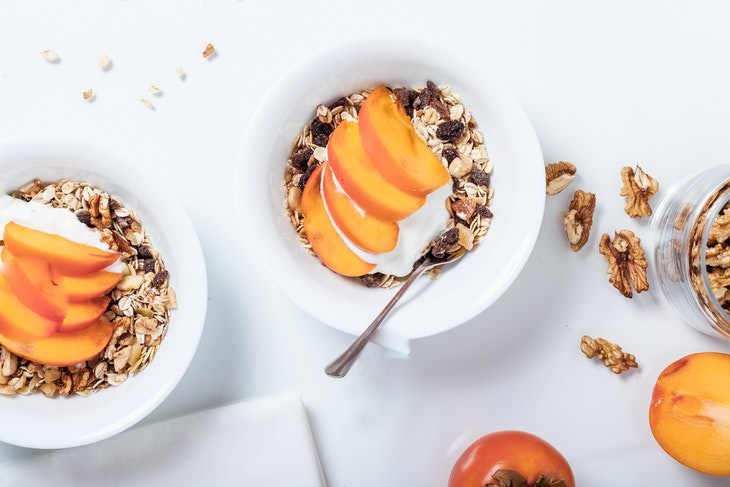
We are what we eat, and the famous saying
rings true when it comes to your mental health, too. What you eat can
affect your dopamine levels, too. To keep your dopamine levels in check,
consider eating more of these foods:
Healthy fats. Low levels of omega-3 fats
and polyunsaturated fatty acids (present in avocados, fish, seeds, nuts,
and certain plant oil) are associated with problems with the brain's
dopamine regulation. Similarly, a diet rich in saturated fats, such as
present in butter, animal fat, palm oil, and coconut oil was found to
disrupt dopamine signaling in the brain according to animal model
studies.
Protein. Dopamine is created from two
specific kinds of amino acids called tyrosine and phenylalanine, which
are present in protein-rich foods. Studies have shown that a
protein-rich diet is capable of increasing dopamine levels in the brain,
and conversely, a lack of the two amino acids in the diet can lead to
dopamine depletion.
Probiotics. According to recent research,
the gut and the brain are closely connected, and the beneficial bacteria
in the brain are known to benefit people suffering from mental issues,
including depression. Moreover, there is some evidence suggesting that
certain strains of gut bacteria are capable of producing dopamine on
their own. Therefore, eating probiotic-rich foods, such as white yogurt,
kefir, kimchi, pickles, and saeurkraut may benefit your mood and energy
levels.

Try velvet beans. These small black beans
are a natural source of something called L-dopa, which is a precursor to
dopamine. Research in Parkinson’s patients has shown that eating these
beans can increase dopamine levels in the body and reduce the severity
of Parkinson’s symptoms.
2. Listening to music
As we've mentioned previously, dopamine
levels increase when we're engaged in pleasurable activities, so it
makes perfect sense that listening to music is capable of stimulating
the release of the neurotransmitter in the brain. This ability has been
proven by several brain imaging studies.
3. Get a good night's sleep
One study even compared specific kinds of
music, and it turned out that brain dopamine levels were increased by 9%
in response to instrumental songs. The study also found a greater
increase in songs that gave participants chills. Finally, music therapy
is a popular approach for Parkinson's patients, and it has been found to
improve their symptoms and even help restore some of the motor
function.
3. Get a good night's sleep
Dopamine plays an important role in our
sleep cycles, keeping us awake and ready for the day in the morning.
Researchers have long noted that dopamine levels peak by the time we
wake up in the morning, and then they gradually decrease throughout the
day. When our sleep schedule is disrupted, these natural hormone cycles
can likewise start working abnormally.
4. Exercise regularlyResearch has shown, for example, that fewer
dopamine receptors in the brain become available after you pull an
all-nighter, which may make you feel less energized, attentive, and
concentrated throughout the day. Therefore, it's crucial to get your 7-9
hours of high-quality sleep every night to ensure that your dopamine
system works as it's supposed to.
You've likely heard that regular exercise
is capable of boosting one's mood and make your body produce more
endorphins. Well, researchers also believe that the mood-bosting effect
is partly due to the increase in dopamine levels shortly after we finish
exercising.
Although more research is needed to establish what kinds of exercises
are the most beneficial for dopamine regulation, it is known that
engaging in exercise several times a week has clear dopamine-boosting
effects and improves activity levels in depression sufferers and motor
functions in Parkinson's patients. If you need more specifics, we will
add that one study found that 1 hour of yoga 6 times a week has
consistently increased dopamine levels.
5. Meditation

The reason why yoga is often highlighted as
the best exercise for maintaining dopamine levels is, in part, because
there is a known link between meditation and dopamine secretion. In one
study, for example, experienced meditation practitioners had an average
64% peak in dopamine production just after 1 hour of meditating when
compared to controls who were just resting quietly.
We also know that regular meditation helps reduce anxiety and stress and
improves concentration, and dopamine may be responsible for these
beneficial effects, too.
6. Some supplements can help
Certain nutrient deficiencies have been
suggested to reduce the amount of dopamine our body can produce. Some of
the vitamins and minerals necessary to produce dopamine are iron,
niacin, vitamin B6, and folate. Note that there is no need to take these
supplements necessarily, and the best way to check if you're deficient
in any of them is blood work your doctor can order.
There is also anecdotal evidence or animal
studies to support that some other supplements are capable of increasing
dopamine levels.
These supplements include:
Magnesium
Vitamin D
Curcumin
Oregano extract
Green tea
Omega-3
Ginkgo Biloba.
We hope you found this article helpful and interesting. Please note
that none of these suggestions are gauged towards people with no major
dopamine deficiencies. If you suspect or have been diagnosed with a
condition associated with low dopamine levels, seek professional
treatment.
This is only for your information, kindly take the advice of your doctor for medicines, exercises and so on.
https://gscrochetdesigns.blogspot.com. one can see my crochet creations
https://gseasyrecipes.blogspot.com. feel free to view for easy, simple and healthy recipes
https://kneereplacement-stickclub.blogspot.com. for info on knee replacement
https://cancersupportindia.blogspot.com for infor on cancer and health related topics
https://GSiyers home remedies.blogspot.com is the latest addition to my blogs. I'm going to add posts there, do give me your valuable feed back on my blogs. Thanks a lot, take care, be healthy and be happy.
https://gscrochetdesigns.blogspot.com. one can see my crochet creations
https://gseasyrecipes.blogspot.com. feel free to view for easy, simple and healthy recipes
https://kneereplacement-stickclub.blogspot.com. for info on knee replacement
https://cancersupportindia.blogspot.com for infor on cancer and health related topics
https://GSiyers home remedies.blogspot.com is the latest addition to my blogs. I'm going to add posts there, do give me your valuable feed back on my blogs. Thanks a lot, take care, be healthy and be happy.


Comments
Post a Comment