How to Get Rid Of Headaches Naturally Fast and For All
Headaches are a nuisance and they interfere
with our productivity and daily activities, be it a fleeting tension
headache or a debilitating migraine. Unfortunately, many people have to
deal with headaches on a daily basis, and the only medical treatment
available is pills that often make you drowsy or cause other side
effects.
We have written previously about some effective ways of preventing a
headache, which we still think are worth considering, but in this
article we’d like to focus on 11 natural and scientifically-proven ways
you can manage an already existing headache, and learn to find what may
trigger your headaches.
If this description peaked your interest, you’re more than welcome to
read through this article.
1. Cut Out Foods Containing a Lot Of Histamine From Your Diet
Histamine is a natural compound in the
human body that helps us maintain our immunity and nervous system, as
well as digest foods. Apart from existing in our bodies, though,
histamine can be found in high quantities is some foods
These foods include-
These foods include-
aged cheese
fermented foods
beer
wine
smoked fish
cured meats
Consuming foods high in histamine raises
its levels in the blood, which can cause a migraine. Furthermore, some
people have difficulties regulating the level of histamine in their
blood because they don’t have enough enzymes responsible for breaking
down histamine.
All of this combined means that people who
are sensitive to histamine level changes will have a headache after
consuming foods that contain a lot of it.
2. Avoid strong smells
Just like foods, smells can trigger a
headache, but only in people that are very sensitive to fragrances and
odors. Usually, individuals develop headaches after being exposed only
to strong smells, such as paints, cigarette smell, nail polish, perfume
and cleaning products.
This observation was proven scientifically,
a study involving 400 participants experienced migraines or tension
headaches found that strong smells, particularly perfumes, can trigger
headaches, especially among those suffering from chronic migraines.
Eliminate strong smells if you think they may be the cause of your headaches
3. Use Essential Oils to Ease Your Pain
Many essential oils have a very beneficial
effect on human health, and if you know which one does what, you can use
them to boost your health and heal. Because they are highly
concentrated, a little goes a long way, too.
The 2 essential oils beneficial to relieving headaches are lavender and peppermint oil:
If you have a tension headache, apply a
tiny dot of peppermint oil to your temples. This will invigorate your
mind and release the tension from your muscles.
4. Stop consuming alcohol
If you experience frequent headaches,
consider cutting out alcohol. Many people will know that excess
consumption of alcohol can cause a hangover, but this is not the kind of
headache we mean. For people sensitive to alcohol, it can actually
cause tension and cluster headaches.
Apart from that, research shows that ⅓ of migraine sufferers will experience a headache after drinking.
5. Look Out For Foods Containing Nitrates and Nitrites
Nitrates and nitrites are used to prevent
foods from spoiling, usually when the food hasn’t gone through a long
enough curing process. These food preservatives are usually
well-tolerated, but some people reported getting headaches after
consuming foods that contain nitrates and nitrites.
These food preservatives can be found in many meat products
hot dogs
bacon
sausages
hams
The headaches occur because nitrites may
trigger the expansion of blood vessels, which means that they can also
affect blood pressure. Minimize the foods that contain nitrates, opt for
the meat products that were cured naturally and for long periods of
time, and not the ones that are loaded with preservatives and treated
with liquid smoke.
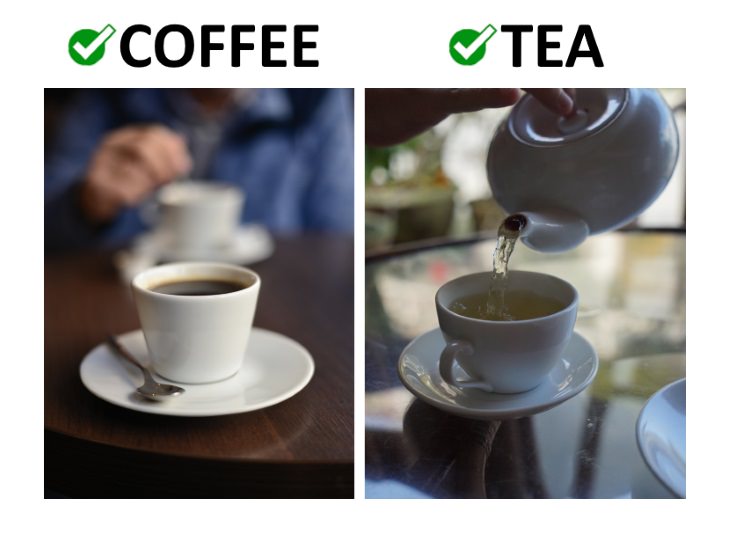
6. Caffeine is your best friend
Did you know that many painkillers contain
caffeine as a supporting ingredient? This is because caffeine can
relieve headaches and make you feel more alert. So, if you don’t want to
take a pill or you simply don’t have one around and nothing seems to
help, drink something that contains caffeine, such as tea, matcha or
coffee.

It will not only improve your mood, but it
can also constrict your blood vessels, all of which can ease headache
symptoms. Do mind that if you’re a regular coffee drinker and suddenly
stop, caffeine withdrawal can manifest itself in a headache as well, so
be mindful of your caffeine intake, especially if you’re prone to
headaches.
7. Avoid lights and loud sounds
Unfortunately, migraine sufferers are no
strangers to the phenomena of photo- and phonophobia. These conditions
refer to unusual light and sound sensitivity respectively.
According to some estimates, 80% of them are sensitive to light, and it
is most likely because the optic nerve in these individuals is more
reactive than usual. Luckily, the treatment of these conditions is
intuitive and effective: just sit in a dark, quiet room and after 10-20
minutes the migraine usually starts to diminish, as reported by 90% of
patients.
Also, don't forget to always carry a pair of sunglasses with you if you
know you're sensitive to light. Noise-canceling headphones are an option
as well, though these can be quite expensive.
8. Use a Warm or Cold Compress On Your Neck and Head
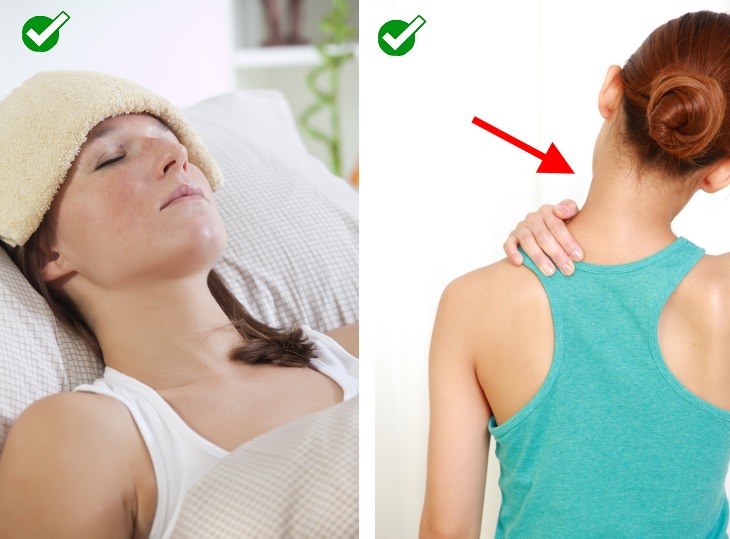
This ancient method is so popular not only
because it is so easy, but also because it is very effective. Putting a
warm towel or cloth around your neck, right at the base of your skull or
on your forehead and temples for few minutes.
It should alleviate the symptoms of a tension headache. Some people
prefer a cold compress instead of a warm one, and there is no set rule
as to which method works for what, so just try what works best for you
personally.
9. Take a B-Complex Vitamin
If you’re someone who knows that they get frequent headaches, it might
be a good idea to take a complex of B vitamins, as they may protect you
from headaches.
Several studies proved that a complex of 3 B vitamins: riboflavin (B2),
folate (B12) and pyridoxine (B6) can significantly reduce not only the
frequency, but also the strength of headaches.
A complex of B vitamins usually contains all these 3 vitamins and more,
and they’re quite affordable. You do need to take them every day, as any
excess isn’t stored in your body and it is flushed out of your body
with urine.
10. Massage your neck and temples
If a headache was caused by a spasm in the neck or face muscles, there
is nothing better that a quick self-massage.
Rub your neck, chewing muscles and temples in circular motions to
release the tension from the area and increase the blood flow. You can
do it several times a day, and it is likely to soothe your headache.
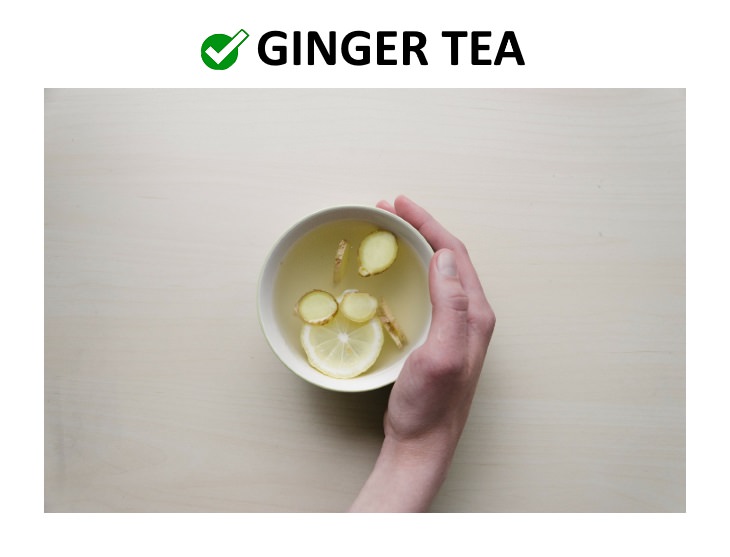
11. Sip Some Ginger Tea
Ginger root is a favorite for so many people because it is a real
multitasker. Don’t be surprised to see it in the list of remedies that
can heal your headache, as it contains a massive amount of antioxidants
and anti-inflammatory compounds.
In a study with 100 participants with chronic migraines that were given
250 mg of ginger powder, ginger was found to be just as effective in
reducing migraine symptoms, as sumatriptan, a commonly-used headache
medication.
And by “migraine symptoms” we mean not only headaches, but also nausea
and vomiting, which are commonly experienced among patients suffering
from severe headaches. Mind you that a strong ginger tea will be just as
effective as a capsule of ginger powder.


Comments
Post a Comment