9 Memory-Boosting Games for People With Alzheimer’s
As we age, maintaining cognitive function
becomes increasingly important to ensure a high quality of life. Memory
is a vital aspect of cognitive health, and engaging in regular mental
exercises can help seniors maintain and even enhance their memory
skills. Playing memory-boosting games is an effective and enjoyable
method for achieving this goal. These games not only provide
entertainment but also stimulate different areas of the brain, helping
keep the mind sharp and active. In this article, we will explore a
variety of fun games specifically designed to boost memory in seniors.
1. Crossword Puzzles
Crossword puzzles continue to be a popular
choice for cognitive workouts, as research indicates a clear link
between this activity and a reduced risk of dementia onset. Filling in
the blanks and deciphering clues requires recalling words and their
meanings. The mental effort involved in solving crossword puzzles
engages various cognitive functions, such as pattern recognition and
recall, which can help seniors boost their memory skills.
However, the drawback to relying solely on crosswords to enhance memory
and overall brain function is that becoming exceptionally proficient at
them might mean you're not pushing your mental boundaries. To introduce a
greater challenge, consider mixing in various word-search games to
maintain your brain's active engagement.
2. Scrabble
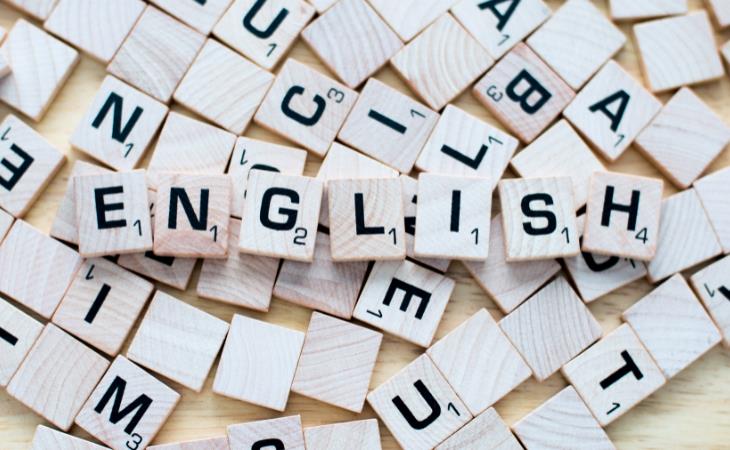
At times, even people facing normal memory
changes associated with age find themselves in situations where a word
is on the tip of their tongue but yet out of reach. Experts in dementia
studies suggest that Scrabble proves to be an excellent tool for
enhancing memory and preserving verbal fluency. Since success in the
game revolves around constructing words featuring letters carrying high
values, participants are encouraged to recall a broad spectrum of such
words.
However, experts believe that even those with more severe memory loss
may benefit from playing Scrabble, provided they use extra tiles in
order to make words more easily.
3. Jigsaw Puzzles

When you work on a jigsaw puzzle, you
activate both the creative (right) and logical (left) functions of your
brain, which leads to enhanced visuospatial abilities. As the number of
puzzle pieces increases, the demand on your brain intensifies, demanding
increased cognitive effort from your brain. This heightened engagement
results in greater satisfaction, as placing a puzzle piece triggers the
release of dopamine, which enhances concentration. If landscapes and
exotic creatures bore you, try a simpler puzzle with only the blank side
visible. Without color, you'll have to rely solely on shapes.
Additionally, jigsaw puzzles provide a source of relaxation and can be
enjoyed socially with friends, which contributes to brain health as
well.
4. Sudoku
This is only for your information, kindly take the advice of your doctor for medicines, exercises and so on.
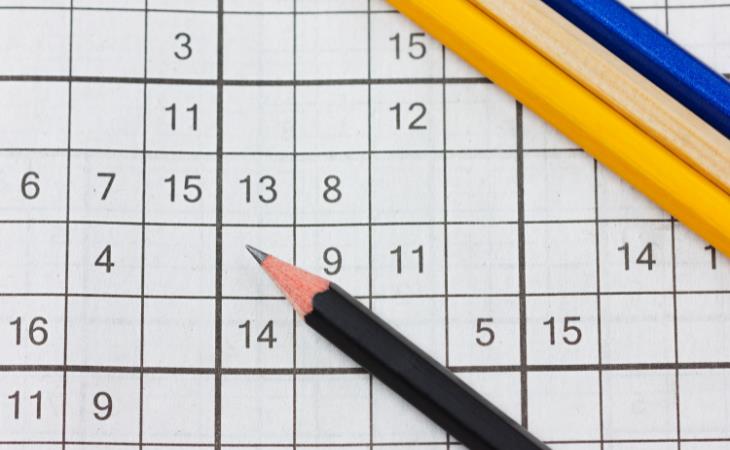
Sudoku is a number-based puzzle game that
enhances logical thinking and memory. The objective is to fill a grid
with numbers so that each column, row, and smaller subgrid contains all
the numbers from one to nine. Solving Sudoku puzzles requires careful
thinking, planning, and memory to keep track of the numbers placed in
various positions on the grid.
It's worth noting that Sudoku is considered most effective in the
initial stages, before your brain becomes accustomed to organizing the
numbers. When it becomes less of a challenge, it's a good indication to
explore a different option.
5. Rebus Puzzles
Neurological experts believe there is another, lesser-known puzzle type
that can enhance your memory: rebus puzzles. In a rebus puzzle, a
combination of letters, numbers, visuals, and symbols is often used to
convey clues for the solution. For instance, the puzzle phrase "BAD BAD"
is a coded representation of "too bad." To unravel these puzzles, a
grasp of clichés and commonly used phrases is essential, since you can't
depend on suggested or context-based hints as you would in a typical
word or sentence game.
Experts recommend rebus puzzles as a means to boost both verbal and
visual memory skills. Apart from linking words with images and sounds,
these puzzles also promote mental flexibility by encouraging creative
and lateral thinking.
6. Chess
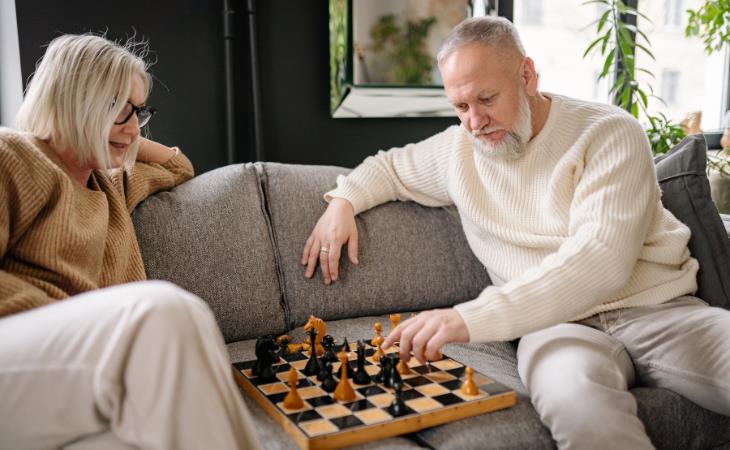
When it comes to intellectually challenging
games, chess is a standout choice. Those new to the game often rely on
their short-term memory to analyze the board and devise their immediate
moves. As players accumulate experience, they encode strategies into
their long-term memory, resulting in a shift towards retaining
information over a longer period of time.
Chess is a strategic and logical game that requires planning,
problem-solving, and decision-making, say medical professionals. Chess
can improve your working memory because it requires you to mentally
handle multiple pieces and moves. Furthermore, because of the demands on
picturing the game board and probable outcomes, chess has the potential
to improve spatial memory.
7.Chinese checkers
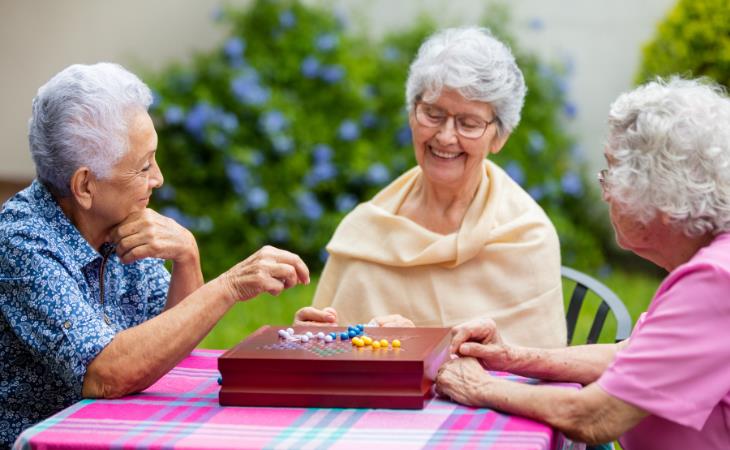
Games like Checkers and Chinese Checkers
provide a delightful way to boost memory at any age. An interesting
finding from a 2016 study published in the journal Brain Imaging
Behavior indicated that participation in several games, including
checkers, could lead to improved cognitive function.
"The participants underwent an extensive battery of neuropsychological
tests that spanned conventional cognitive domains of memory, attention,
executive function, language, and visuospatial ability," the study
authors wrote.
These games were significantly associated with immediate memory, verbal
learning memory, recall speed, and flexibility in regression models.
As part of a dementia prevention program, several dementia care
professionals now urge their clients to play checkers. Checkers, they
say, can help create social ties, which are vital for preserving
cognitive health, because of their simple rules.
8. Word Recall Games
Word recall games involve challenging
seniors to remember lists of words in a specific order. For instance, a
facilitator might recite a list of items, and participants have to
recall and repeat the items in the same order. This game helps improve
verbal memory and concentration, both of which are vital for maintaining
cognitive health.
9. Concentration
Concentration is a card game in which you have to match pairs of cards
having the same image or value. As Concentration requires you to recall
both the location and sound of each card, it can improve both your
visual and auditory memory. The game can also help improve attention
span and focus.
To add an element of excitement to the activity, consider trying the
"spaghetti" variation, where cards are placed in a more chaotic
arrangement rather than organized rows. This will pose a greater
challenge in recalling the positions of the cards.


Comments
Post a Comment