5 yoga asanas to reduce blood sugar levels naturally
Yoga is a spiritual way to help your
mind and body work together in harmony. It's a mix of an art and a
science for staying healthy. The word 'Yoga' comes from Sanskrit and it
means 'joining' or 'uniting'. People believe that when they perform
yoga, their own thoughts and feelings connect with a bigger
understanding of the world. This makes their mind and body feel really
good and balanced, like they're working together in unison.
Embracing
yoga as a remedy for diabetes, when approached correctly, holds the
potential to gracefully regulate your blood sugar levels. This ancient
practice becomes a catalyst for enhancing overall well-being, be it
physical, emotional or even mental well being.
Integrating yoga into
your diabetes management routine lessens the likelihood of encountering
future complications. During the initial phases of this condition, yoga
acts as a guardian, maintaining sugar levels and addressing concurrent
health concerns.
Here are some yoga poses that will help you reduce blood sugar level.
Surya Namaskar (Sun Salutations)
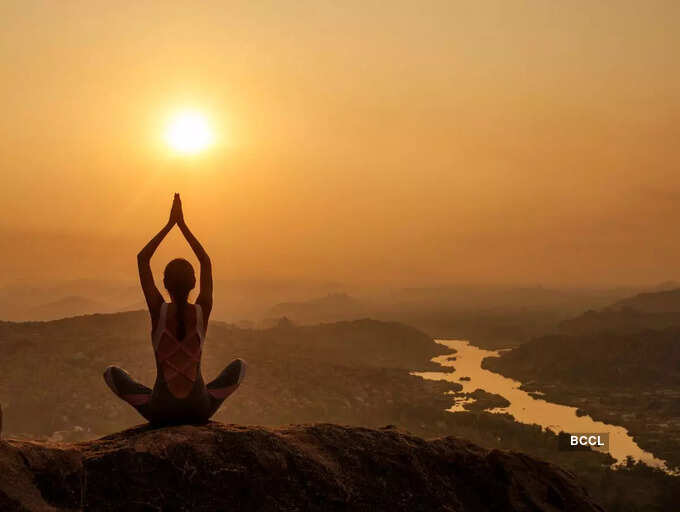
Speaking
about using yoga to manage diabetes, one particularly beneficial pose
for individuals with diabetes is the sun salutation. This sequence is an
ideal method to increase your heart rate and stretch your entire body.
Sun Salutations serve as an excellent warm-up before engaging in any
yoga posture. Engaging in sun salutations contributes to regulating
blood sugar levels, enhancing blood circulation, and boosting
flexibility.
Here's how you can go about it:
Begin by
standing upright at the front of your mat. Draw your abdomen gently
inward and bring your palms together. Inhale while lifting your arms and
stretching them towards the back.
Exhale as you lean forward,
elongating your spine, and gradually descending. Let your gaze fall
downwards and allow your neck to relax.
Inhale, and with your right
knee on the floor, extend your right leg backward. Ensure your left knee
forms a 90° angle and your palms rest flat on the mat. Maintain a
forward gaze.
While holding your breath, move your left leg back, assuming a plank position. Keep your body aligned in a straight line.
Exhale
and lower your knees, chest, and chin to the ground. Gradually lower
your hips. Inhale as you lift your upper body, gazing upwards. Exhale
during the lift, transitioning to an inverted V pose. Your palms and
heels should be touching the floor, and your spine should lengthen.
Inhale
and bring your right leg forward. As you exhale, place your left leg in
front, bending down to touch your toes. Plant your palms on the floor
and stretch.
Inhale, lifting your hands and arching your back. Exhale as you bring your palms together in a prayer position.
Repeat the sequence on your left side.
For optimal benefits, engage in 4 to 8 rounds of sun salutations at a deliberate pace.
Dhanurasana (Bow Pose)
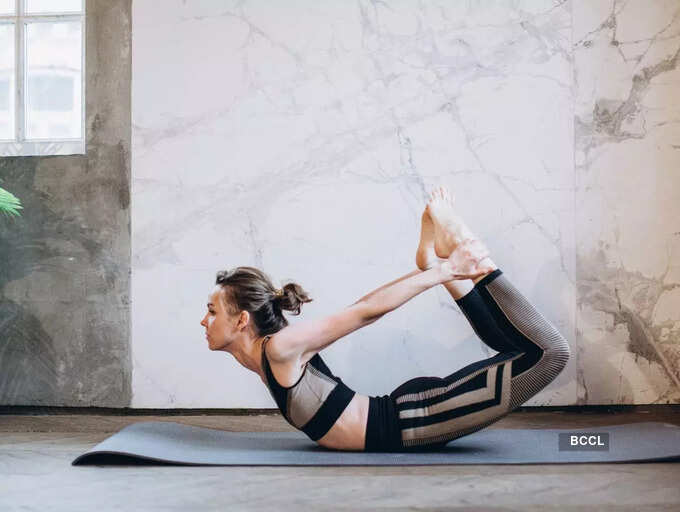
The Bow Pose emerges as a remedy for weariness, infusing vitality into your being. It empowers your core muscles, alleviates discomfort associated with constipation, and contributes to the regulation of blood sugar levels.
Step-by-Step Procedure:
Lay on your stomach. Allow your feet to gently part, mirroring the width of your hips, while your arms are relaxed on your sides.
With a gentle deliberation, fold your knees, reaching back to grab your ankles within the circle of your hands.
Inhale purposefully, as you elevate your chest from the earth, orchestrating an upward pull of your legs, feeling the stretch.
Hold this position for about 12-15 seconds.
Gently, go back to the resting pose.
Repeat the sequence a few times.
Bhujangasana (Cobra Pose)
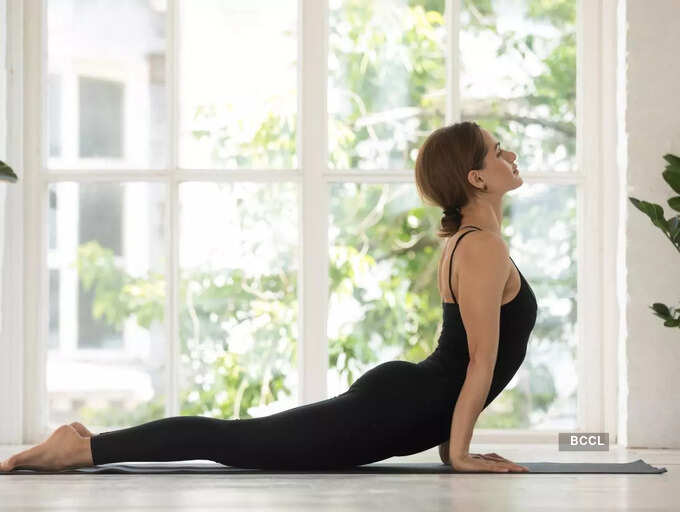
Let's go through the steps of performing this posture:
Start by lying down on your stomach, feeling the connection between
your body and the floor. Place your hands close to your shoulders, palms
pressing gently against the ground.
As you settle into this
position, take a mindful breath in and gradually lift your upper body
off the ground. You'll feel a gentle stretch along your front, from your
abdomen to your chest. Allow your hands to support you as you lift,
maintaining a comfortable balance.
While you're in this lifted
position, ensure that your hips and toes are aligned in a straight line,
making contact with the floor. This alignment helps you maintain a
steady and balanced stance, contributing to the effectiveness of the
pose.
Embrace this posture for a duration of 20 to 30 seconds.
Feel the engagement in your core muscles and the stretch across your
front. As you experience this sensation, remember to continue breathing
naturally, allowing each breath to infuse you with a sense of presence
and calm.
When the time feels right, gently lower your upper body
back down to the floor, releasing the pose. Feel the gradual
reconnection between your body and the ground as you let go of the lift.
You might sense a soothing sensation as you relax.
Kapal Bhati
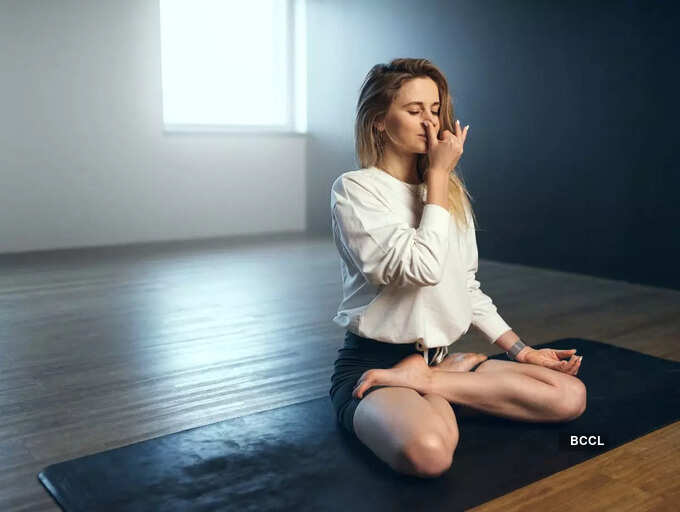
Through intentional and mindful breathing, we can activate our body's inherent relaxation response. Gradually regulating our breath has the potential to reduce the presence of stress hormones and stimulate the lymphatic system, a pivotal player in supporting our immune function.
Here's how you can practice:
Begin
by finding a comfortable seated position, ensuring your spine is erect
and aligned. Let your hands rest gently on your knees, palms facing
upward to welcome the openness of the sky.
Inhale deeply, drawing the breath in with intention.
As
you exhale, gently draw your navel backward toward your spine. Allow
this movement to be comfortable, only going as far as feels right for
you. You can even place your right hand on your stomach to feel the
engagement of your abdominal muscles.
Upon releasing the navel and allowing your abdomen to relax, your lungs naturally fill with the incoming breath.
Repeat this sequence of breath for a count of 20 cycles, completing one round of Kapal Bhati breathing.
Shavasana
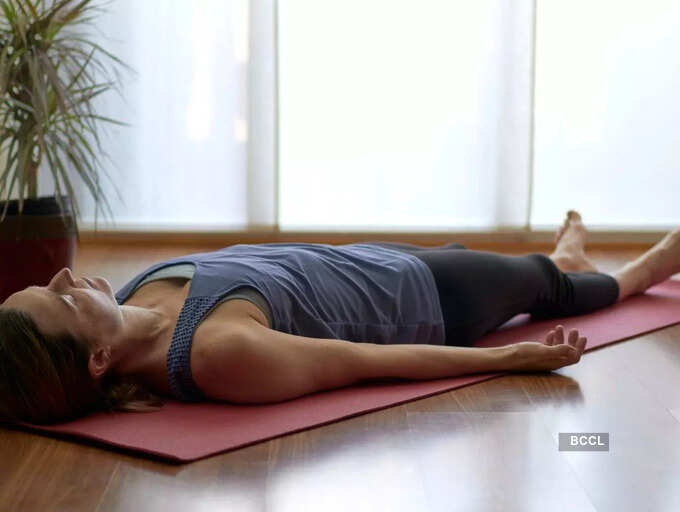
The
final step in a diabetes-focused yoga routine culminates with the
Corpse (shavasana) Pose. As you embark on your yoga journey, feel free
to commence with any asana that resonates with you, but the concluding
touch should always be the Shavasana. Research has illuminated its
remarkable potential in stabilizing blood sugar levels and blood
pressure, orchestrating a harmonious interlude for your body and mind.
This meditative posture transcends stress. Rooted in tradition,
Shavasana concludes your yoga session.
Process:
Lie down in a straight alignment, gently widening your feet, while your arms rest naturally.
Extend
your awareness to every part of the body, feel your breath, your hands,
the legs and feet, palms, even the minor rise and fall of your abdomen.
Exert the burden of stress, allowing the profound state of relaxation to come forward.
Continue with this posture for a span of 15-20 minutes.
This is only for your information, kindly take the advice of your doctor for medicines, exercises and so on.
https://gscrochetdesigns.blogspot.com. one can see my crochet creations
https://gseasyrecipes.blogspot.com. feel free to view for easy, simple and healthy recipes
https://kneereplacement-stickclub.blogspot.com. for info on knee replacement
https://cancersupportindia.blogspot.com for infor on cancer and health related topics
https://GSiyers
home remedies.blogspot.com is the latest addition to my blogs. I'm
going to add posts there, do give me your valuable feed back on my
blogs. Thanks a lot, take care, be healthy and be happy.


Comments
Post a Comment